We’re closed on Labour Day
All of our laboratories will be closed on Monday 27 October for Labour Day. We will however be open normal hours on Saturday 25 October. Enjoy your long weekend!



All of our laboratories will be closed on Monday 27 October for Labour Day. We will however be open normal hours on Saturday 25 October. Enjoy your long weekend!
Fond Farewells is opening a branch in Auckland from 21 July, offering Aquamation (water cremations) – a gentle, environmentally friendly end-of-life service for pets. This expands on our trusted traditional cremation service provided in Canterbury for almost 40 years, giving your clinic an opportunity to offer clients a compassionate and sustainable choice. Learn more here Why offer […]
As we approach the busy spring parasitology season, we’d like to remind all clinics to submit faecal samples in approved, leak-proof specimen containers. Recently, our Palmerston North laboratory received several samples packaged in plastic bags, some of which leaked during transport (see photo). Unfortunately, this led to contamination of other samples and the cardboard courier […]
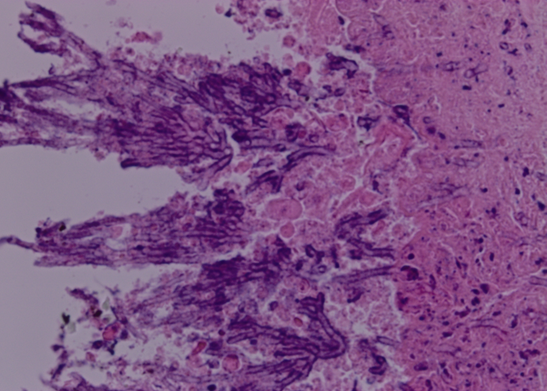
Cathy Harvey Clinical history A dairy farm with 350 Friesian-Jersey cross cows had eight cows abort seven weeks early. The animals were being fed mouldy silage. Multiple fixed tissues were submitted along with fetal stomach contents for histopathology testing. Laboratory testing On histopathology of the placenta there were multifocal large areas of necrosis and haemorrhage, […]
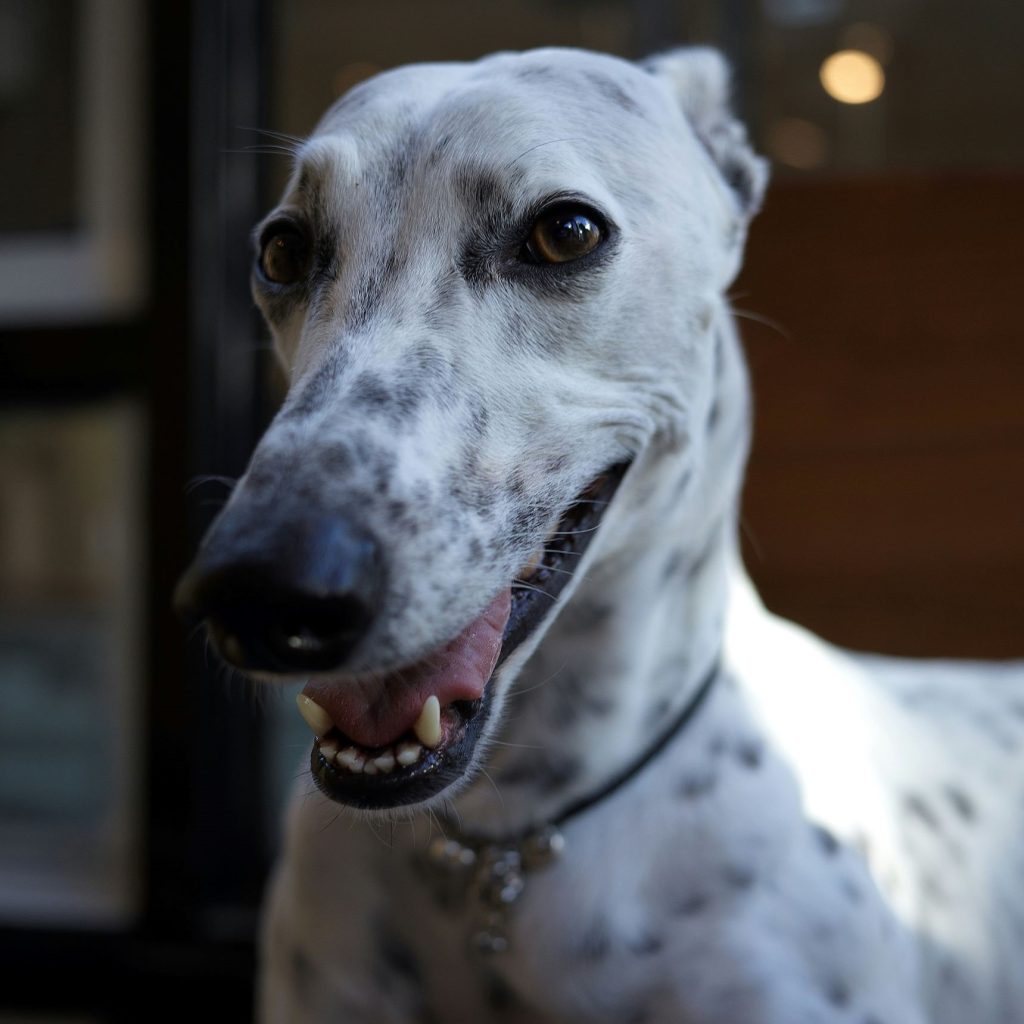
Karen Bailey Greyhounds, like other sighthounds, have a tendency toward higher red blood cell mass, and lower white cell and platelet count when compared to other breeds. Recently, our canine haematology reference intervals were updated based on an extensive study of local New Zealand dogs. However, Greyhounds and other sighthound breeds were excluded from this […]
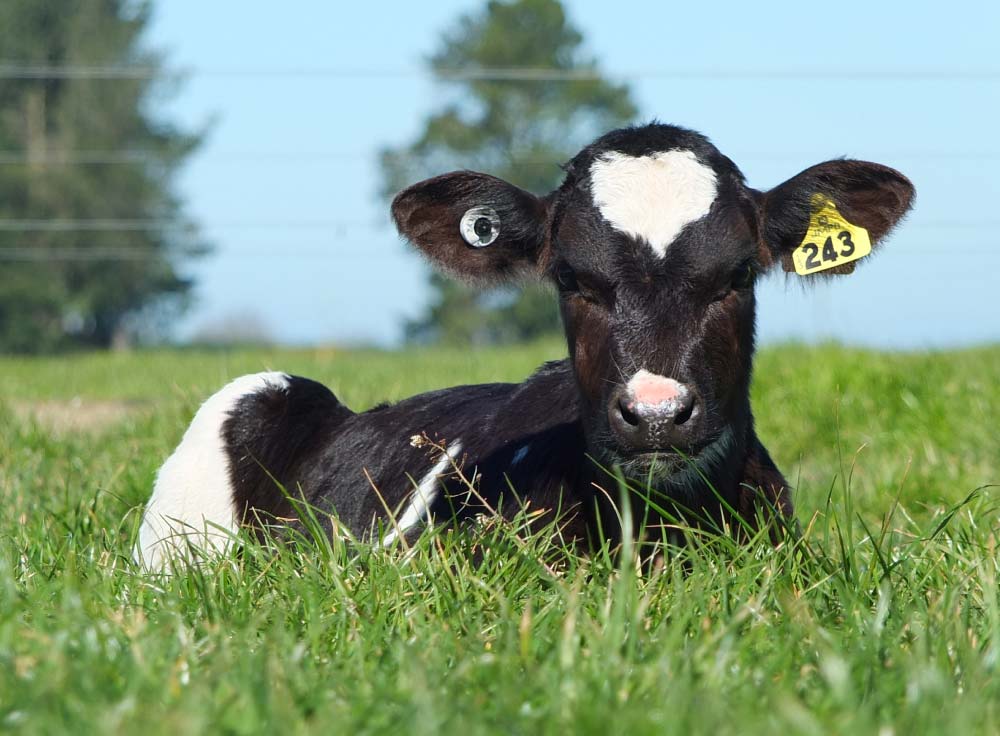
Calf screening in dairy herds aims to identify and remove persistently infected (PI) animals before they can infect any pregnant cows. An ideal time to sample calves is during tagging or disbudding. The antigen ELISA is a suitable test to use on ear notch samples for animals in this age group. PCR is a suitable […]

Jo Archibald is our IT Systems and Solutions Manager and has been an integral part of our laboratory for 33 years. There’s not many systems Jo doesn’t have a hand in and she has touched the lives of many staff, clients and suppliers in her time with the laboratory. After over three decades in the […]
Following the successful update of our haematology reference intervals last year, we are pleased to announce the upcoming release of new biochemistry reference intervals for cats and dogs. These updates are the result of two extensive reference interval studies conducted over the past seven years. These studies would not have been possible without the generous […]

Currently, all laboratory results are sent to you from results-lab@gribbles.co.nz. As of Wednesday, 2 July, this email address will be updated to: results-lab@awanuigroup.co.nz. To ensure you continue to receive your results without interruption, please add the new email addresses or the @awanuigroup.co.nz domain to your safe sender or contacts list to prevent messages from being […]
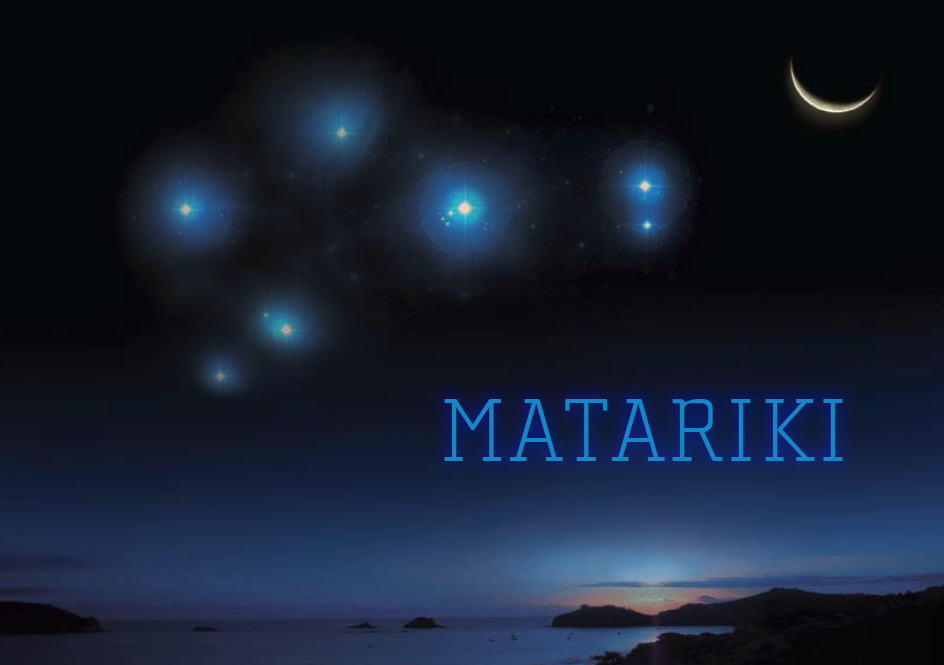
All of our laboratories will be closed on Friday 20 and Saturday 21 June to celebrate Matariki – the start of a new lunar year. We DO NOT recommend sending any samples overnight on Thursday 19 June, as they will not be delivered to the laboratory until Monday and may be unsuitable for testing. Normal […]