Sample Page

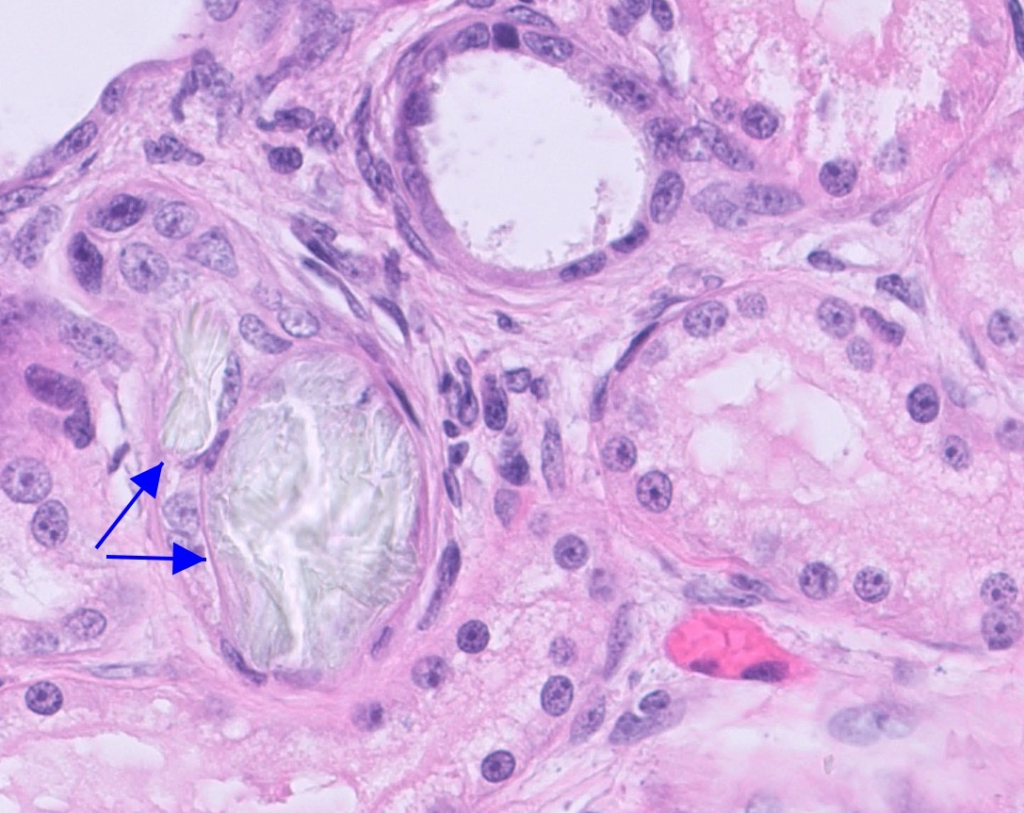
All that glitters is not gold

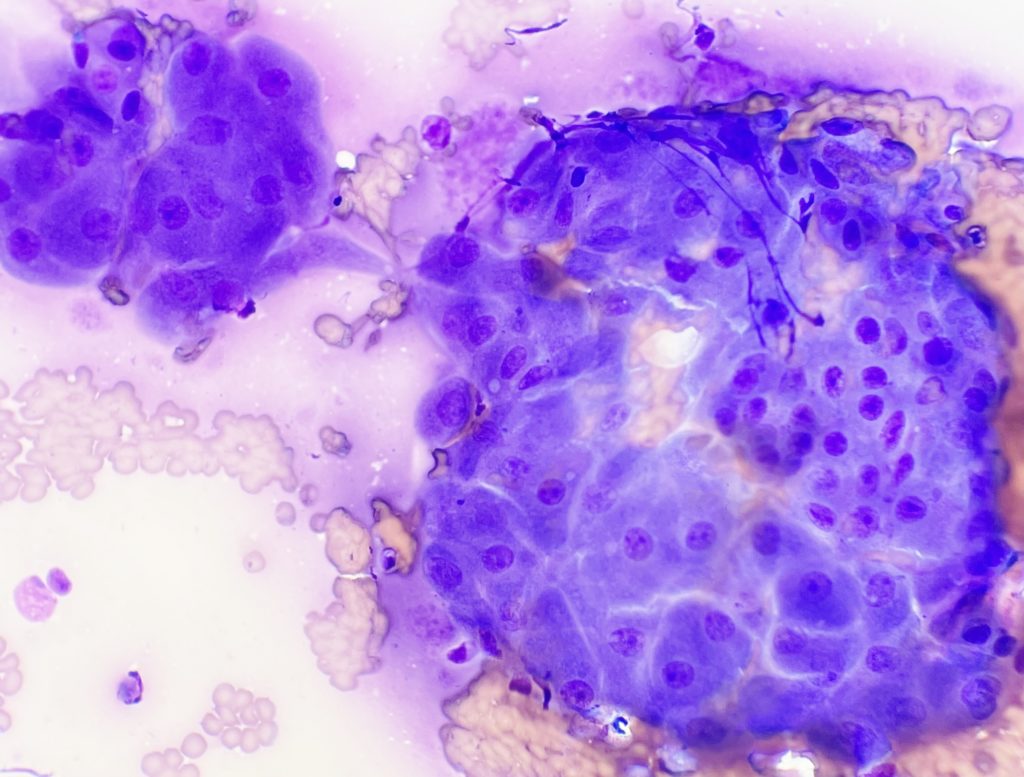
CATHY HARVEY Clinical history: A six-month-old, female kitten was brought into a veterinary clinic with abdominal pain, lethargy and vomiting.  In-clinic bloodwork and urinalysis were consistent with acute renal failure: BUN / urea >50 mmol/L (ref. 6.6-12.6), creatinine 992 umol/L (ref. 67-150), phosphate >5.81 mmol/L (ref. 1.07-2.22) and USG 1.012. Treatment was not elected and […]

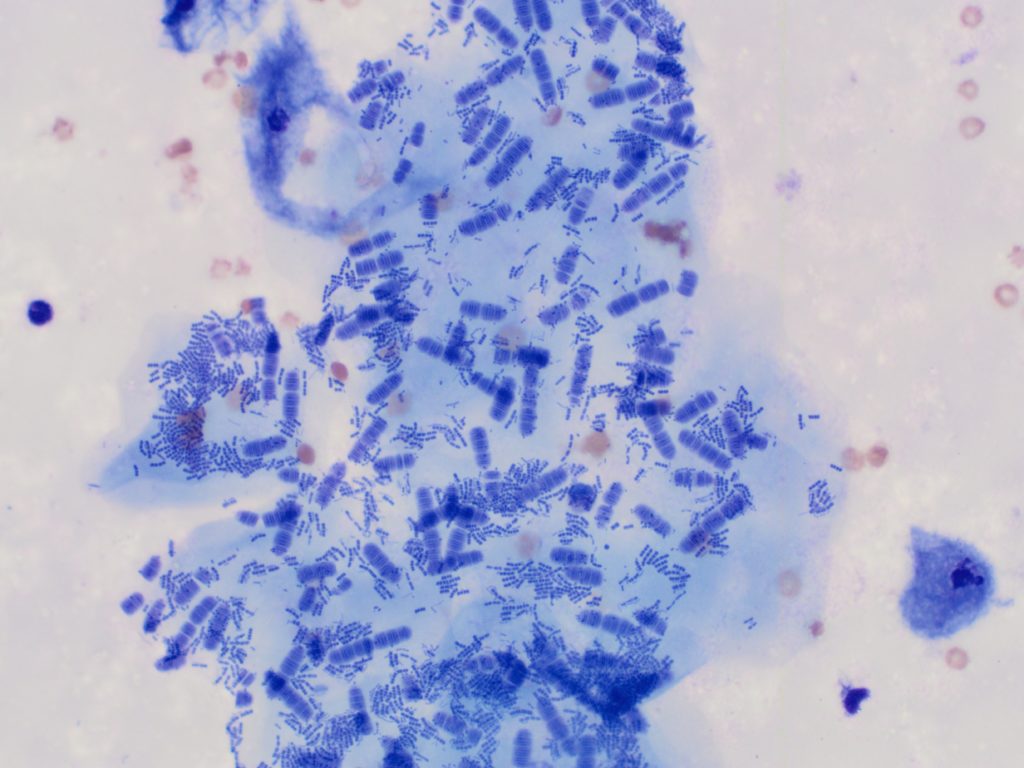
Nothing like a party on the slide!  

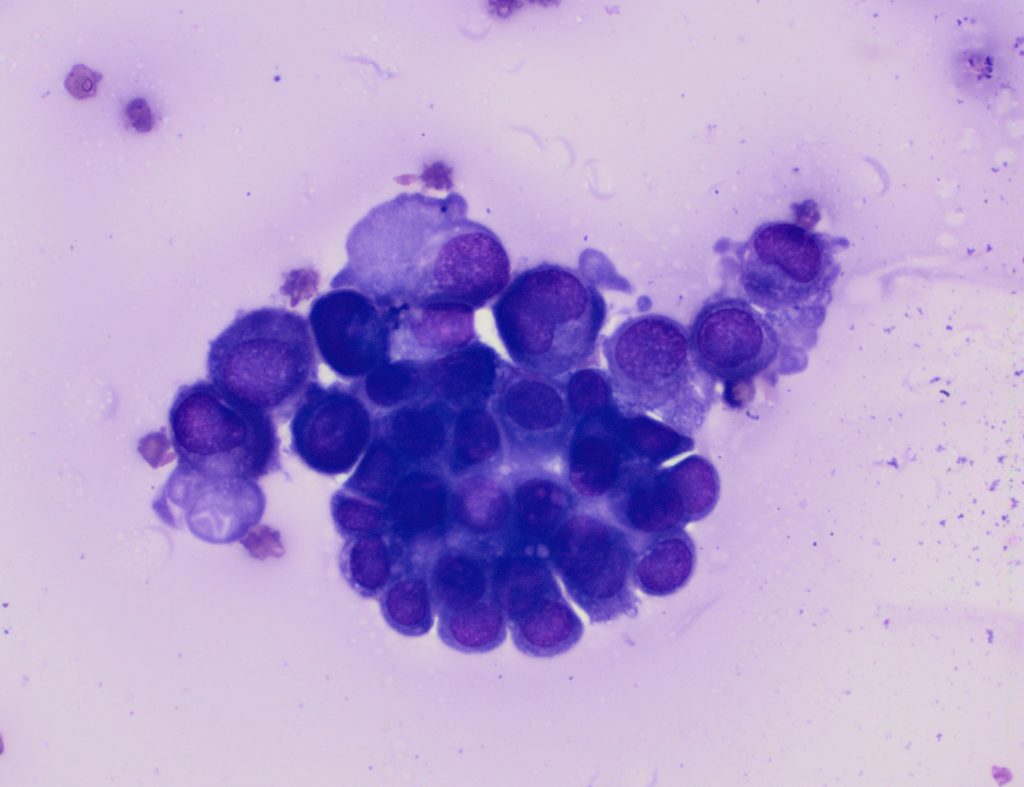
KATHRYN JENKINS In a recent cytology smear from a cystic oral mass in a cat, we observed several clumps of large, polygonal, sky blue, keratinised squamous epithelial cells. There are a few scattered erythrocytes in the background for size comparison (see image below). An interesting finding were the mixed bacteria adherent to the squames, including […]

Ovine WormFEC programme

The feedback received so far regarding this programme has been outstanding!  “Wonderful – the only way forward to deal with anthelmintic resistance.” “A great initiative and combination of IP and resources to provide a much needed tool for NZ farmers.” The WormFEC Programme is provided by AgResearch in association with Beef & Lamb New Zealand […]

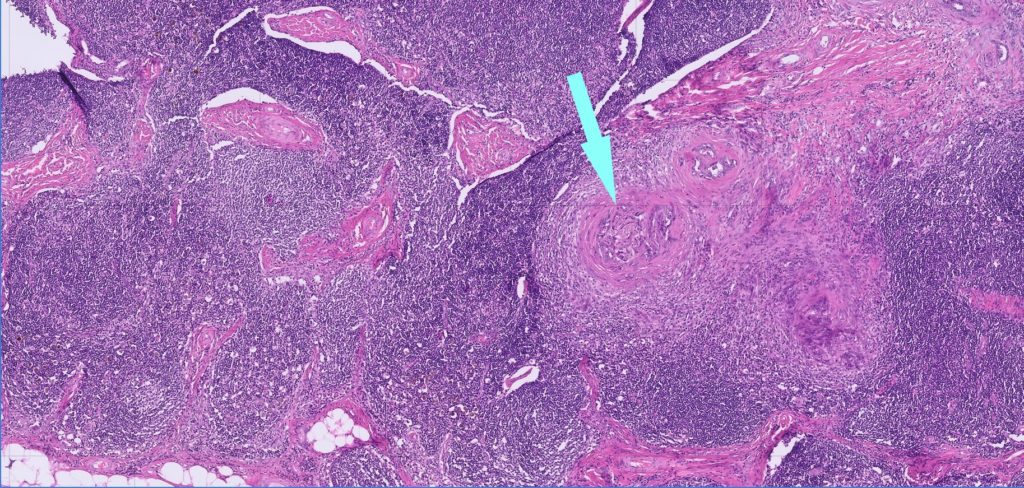
Lymph node biopsy – excise, don’t incise  

MICHAEL HARDCASTLE We frequently receive incisional biopsies (e.g. wedge, Tru-cut or punch biopsies) of enlarged lymph nodes. Unfortunately these can be unsatisfactory for multiple reasons and excisional samples (i.e. removal of the entire node) are preferred. The main issues with incisional biopsies relate to sample distortion. Since lymphocytes are fragile and lymph nodes have a […]

That time of year . . .

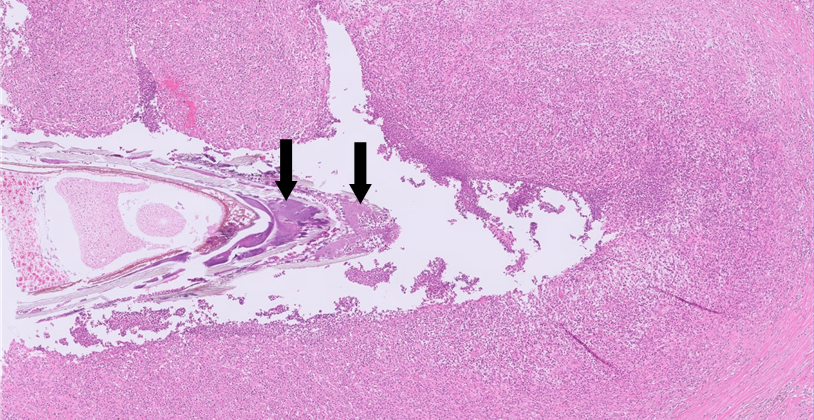
GEOFF ORBELL It is the time of year when we are seeing a lot of foreign body reactions due to migrating grass awns through the lab at the moment. These are usually due to barley grass (Critesion spp.) of which there are six different species in New Zealand, but other grass species can also be […]

Sample packing requirements – reminder

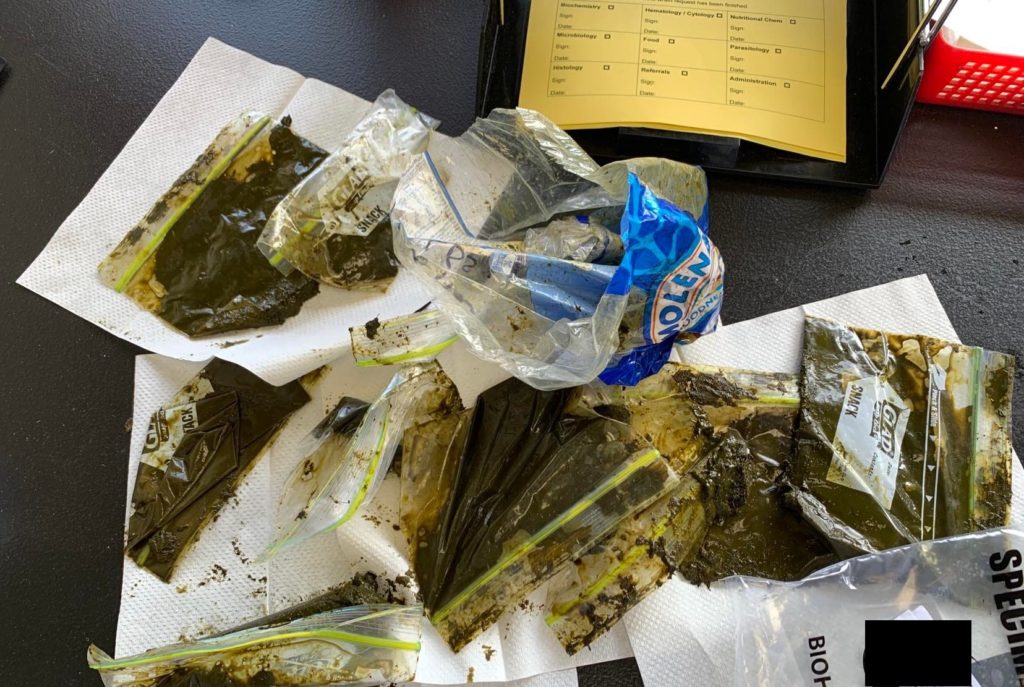
These faecal samples were recently sent to our laboratory packed inside a plastic bread bag and were leaking everywhere on receipt. They provide a good example of inappropriate/illegal sample packaging. Plastic bags tear easily, are prone to leakage, are awkward to extract samples from, do not meet the legal requirements for biological samples and are […]

An uncommon finding

SANDY WELTAN & CRISTINA GANS Clinical history Bella, a 10-year-old female entire Shih Tzu presented for evaluation of abdominal distension. Aside from this, Bella was well at home, with no changes in appetite, water intake, urination or defaecation noted. Fourteen months prior, Bella had a cystic mammary lump surgically removed. Unfortunately, histology had not been […]

Testing for equine metabolic syndrome

LISA HULME-MOIR Horses with equine metabolic syndrome (EMS) are at an increased risk of developing laminitis. Classically we think of the cresty-necked, overweight horse or pony that can live on the smell of an oily rag. However not every overweight horse has EMS and occasionally some horses with normal body condition may have EMS (so […]

Bovine disease surveillance report

MPI has developed a new bovine disease surveillance report to help veterinarians better understand disease patterns at both the regional and national levels. These reports utilise data collected as part of Biosecurity New Zealand’s (BNZ) Animal Health Surveillance Programme, which collects anonymised data on all sick bovine cases seen by the veterinary diagnostic laboratories in […]

Faecal egg count reduction test

RACHEL WHITEHEAD Grazing ruminants in New Zealand are rarely free of worm infection, though effects on stock health and productivity vary widely. Clinical effects of enteric parasitism include ill thrift, diarrhoea, anaemia, and death in severe cases. The degree of damage is influenced by the numbers and identities of the parasites present, host age, immunity, […]