Sample Page

Dogs, lymphoma and ICC

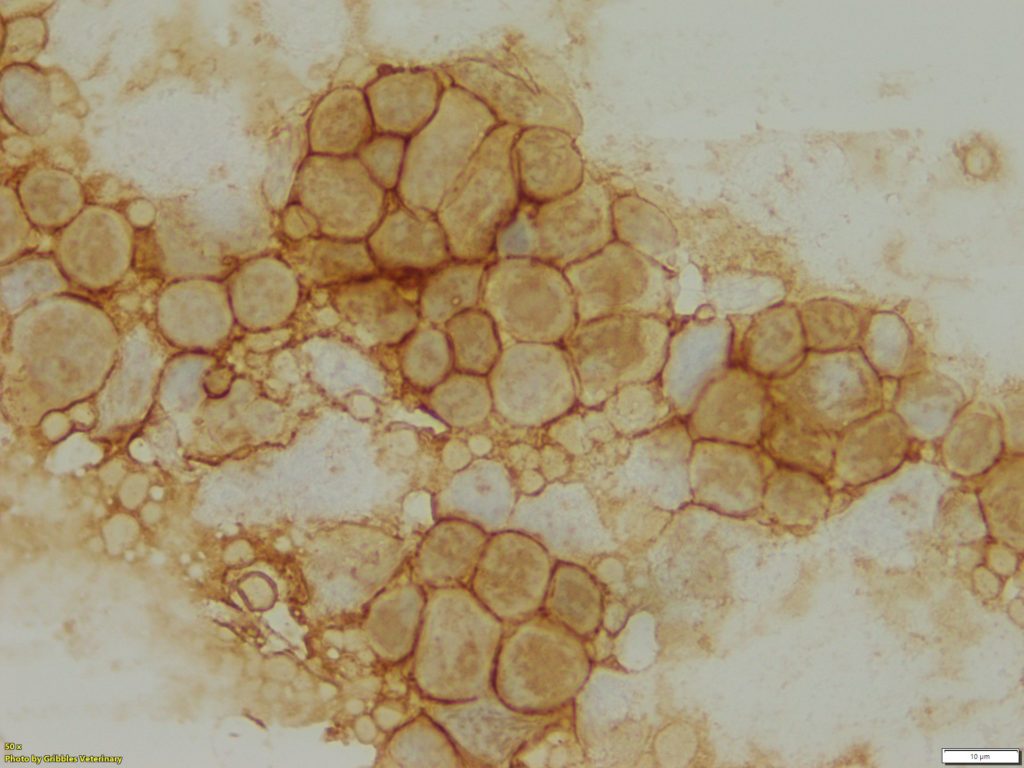
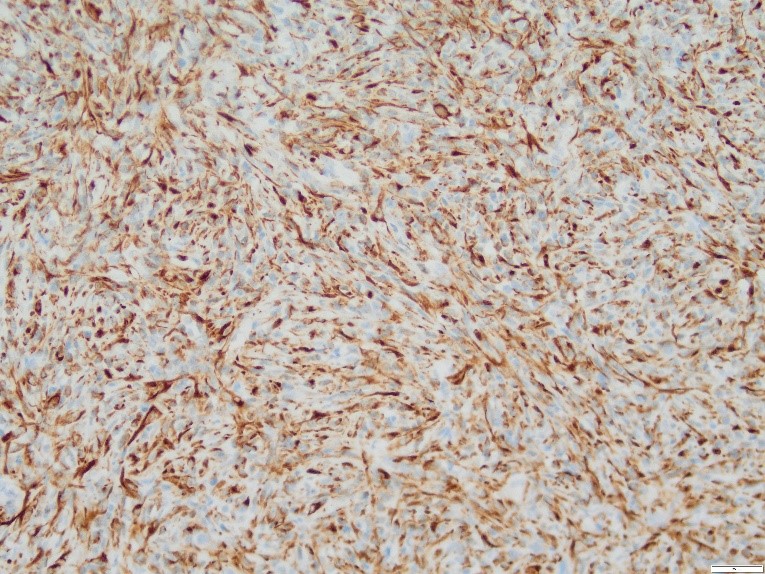
SUNAO FUJITA Immunocytochemistry (ICC) is an adjunct diagnostic tool, which helps to identify cellular origin utilizing the accuracy of antibody-antigen binding. In comparison with immunohistochemistry (IHC), which is more commonly used in both human and veterinary medicine, ICC is not routinely exploited for the classification of a variety of neoplastic lesions. However, ICC has the […]

Case of the month

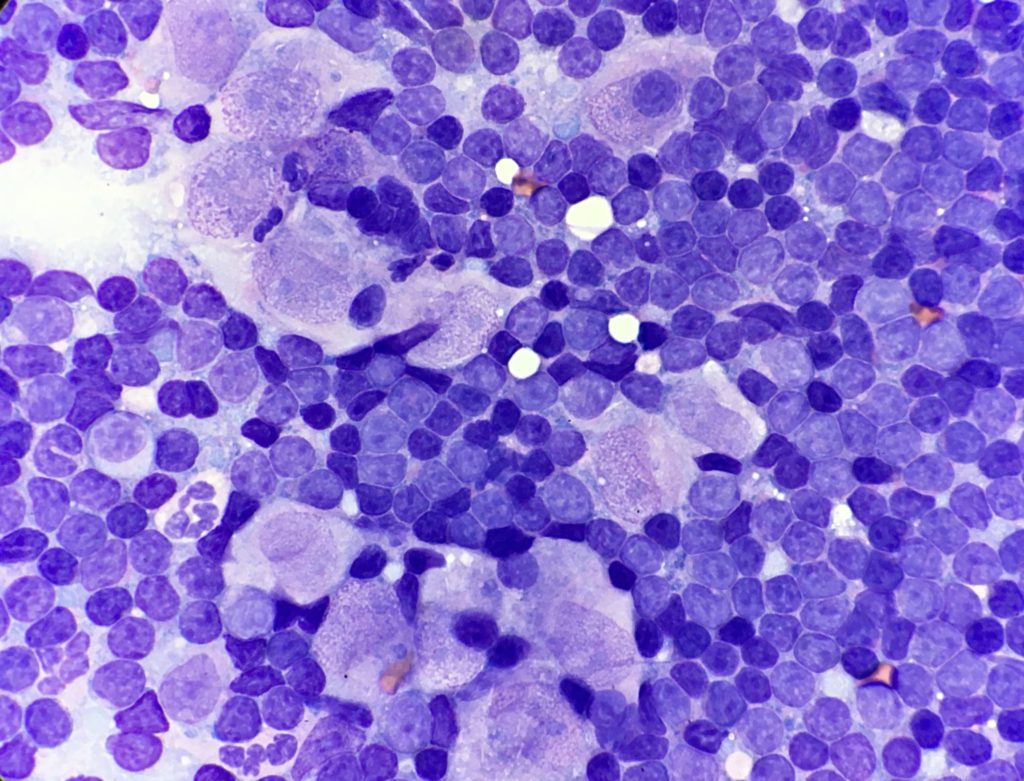
KATHRYN JENKINS Fine needle aspiration (FNA) can quickly and easily identify whether an enlarged lymph node is hyperplastic/reactive, inflamed, or neoplastic (e.g. lymphoma). It can also aid in the identification of potential metastatic disease (e.g. mast cell tumours, carcinoma, histiocytic sarcoma), and can also identify uncommon infectious agents. A recent case highlighted the usefulness of […]

Liver sampling

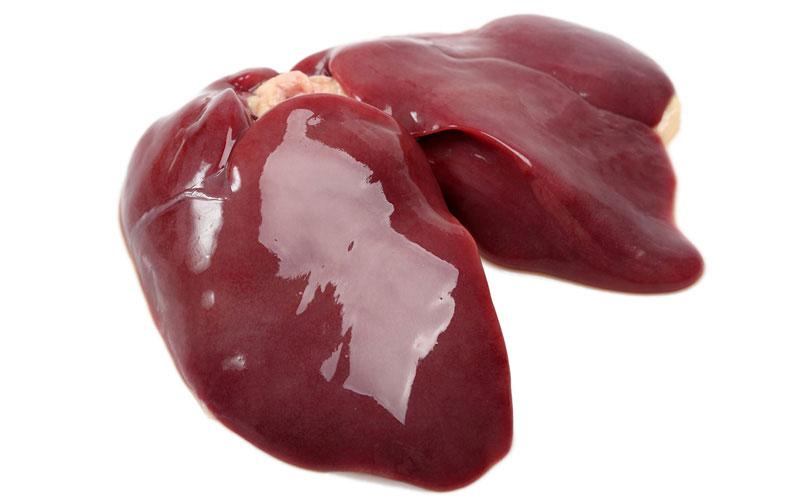
ROB FAIRLEY When sampling the liver for histology (especially for cases with known liver disease) it is helpful to take multiple pieces and it is really helpful to make sure that what you select includes some decent-sized bile ductules. Facial eczema, for example, preferentially affects the larger ductules. Some livers may have really badly affected […]

The ins and outs of immunohistochemistry

CRISTINA GANS It’s becoming more common in recent years for pathologists to issue a histology report which recommends the use of immunohistochemistry (IHC). I’ve frequently been asked: what is IHC and why do we need it? Immunohistochemistry is a molecular technique which can be used for the diagnosis and prognosis of specific tumours and for […]

Case of the month

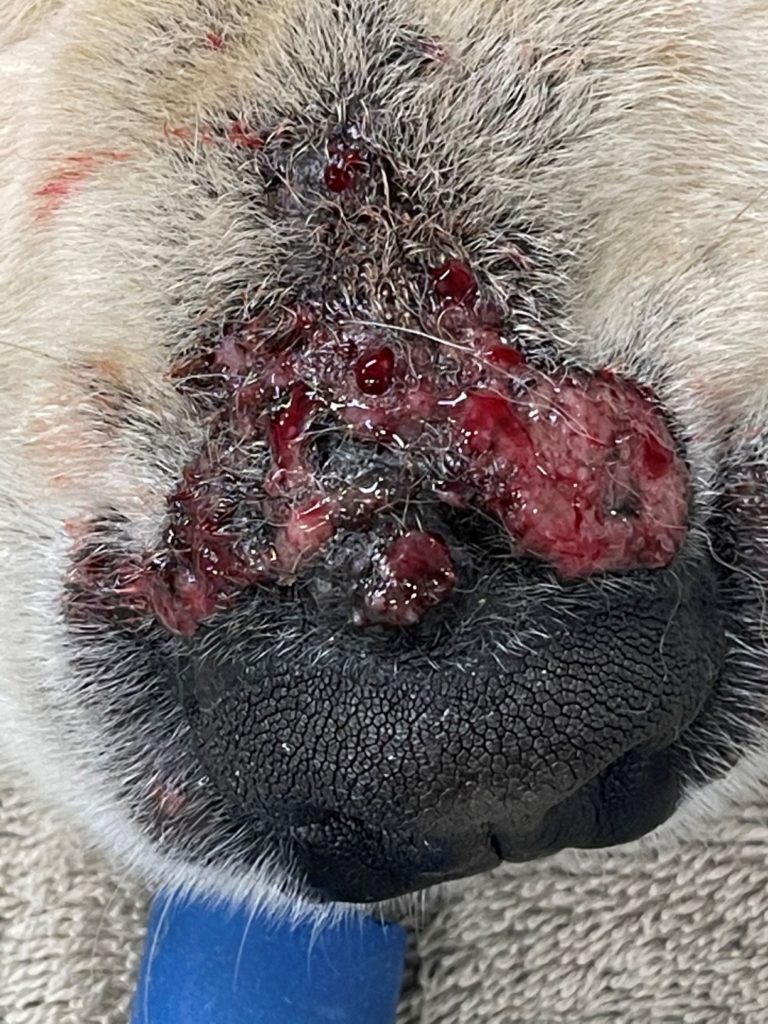
BERNIE VAATSTRA Clinical history: A one-year-old, male, neutered Golden Retriever developed erupting, ulcerated, erythematous and crusting lesions over the dorsal surface of the nasal planum (Figures 1 and 2). The lesions developed quickly over approximately 48 hours, accompanied by vomiting and diarrhoea. Clinical differentials included bacterial furunculosis, fungal or yeast infection, tick-bite hypersensitivity, facially oriented […]

Brain histology

ROB FAIRLEY If you require brain histology performed, you should ideally send  the whole brain, fixed in formalin, to the laboratory. If you need to take a fresh sample, you can remove a small portion no problem. We receive submissions every now and then that consist of cerebral cortex only. If you are specifically checking […]

Case of the month

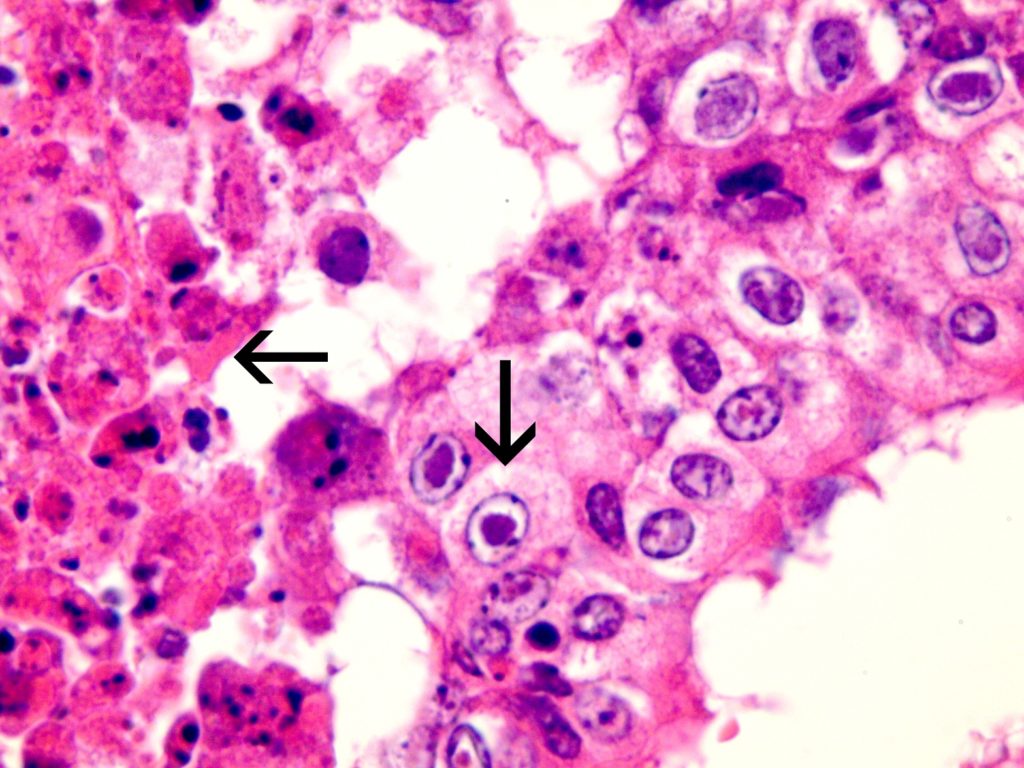
BERNIE VAATSTRA This month we present two cases caused by the same aetiological agent. Case 1: Seven first-calving Friesian heifers from a Waikato dairy herd developed fever and respiratory distress and three died after returning from grazing and presumably being exposed to BHV-1 circulating in the home herd. Necropsy findings included severe necrotising tracheitis (Figure […]

Plasma ACTH testing reminder

We featured an article in June 2019 regarding factors that can interfere with ACTH testing for diagnosis of Pars Pituitary Intermedia Dysfunction (PPID) in horses.  Since both non-PPID and PPID horses display higher ACTH concentrations in autumn (March, April, May) compared with other times of the year, now is a timely reminder of these interfering […]

Did you know?

ROB FAIRLEY Did you know that encephalitic listeriosis and enteric listeriosis are two quite separate diseases? It would be uncommon for these two conditions to occur at the same time. Enteric listeriosis mainly occurs when sheep are fed poor-quality baleage or silage, and clinical signs develop within a few days of consuming the poor-quality feed […]

Case of the month

MICHAEL HARDCASTLE Clinical history: A sixteen year old Domestic Short Hair cat presented with a two-week history of severely crusted, erythematous and painful skin around the nail beds of both forelimbs and the caudolateral aspects of the pinnae. (Figures 1-3). The cat’s skin was otherwise unremarkable, and the only other clinical findings were lean body […]