Disseminated canine protothecosis

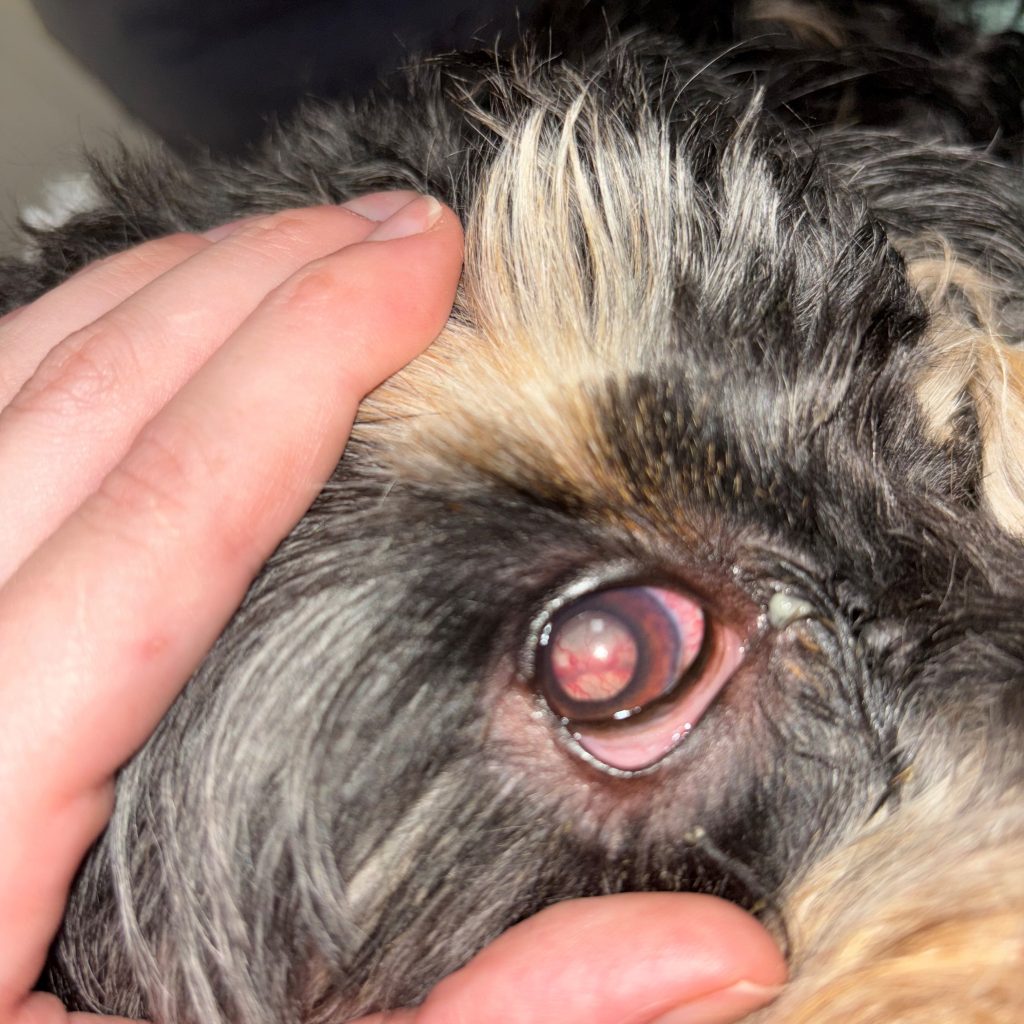
Lisa Hulme-Moir A four-year old male neutered Cavoodle was presented to a referral clinic with a three-month history of haemorrhagic colitis that had not responded to treatment with antiparasitics, antibiotics or dietary modification. He had been started on corticosteroids but over the weekend had developed acute blindness in one eye due to exudative retinal detachment […]

Ovine parasitology toolbox

. . . target, review investigate. August is a great time to be getting on top of ovine parasites. Find a link to our fabulous ovine parasitology toolbox booklet here – it covers testing options and detailed recommendations for best practice: – Targeted drenching – is drenching required?– Drench review – is the current drench […]

BVD bulk milk Lab-Portal – such a breeze to use!  

> Does your clinic help organise bulk milk BVD testing for multiple clients?  > Do you struggle keeping track of which farm needs testing when? > Are you looking for the perfect testing options that can be adapted depending on your client? Our BVD bulk milk Lab-Portal helps reduce the administration work load when carrying […]

Winter wellness checks

August is the coldest month of the year, but at least it means spring is just around the corner. It is also a great time to get animals checked over – a pet warrant of fitness! Does your clinic offer clients wellness checks over the winter months for older or overweight pets? Health screening plays […]

Good news for an old cat

Emma Gulliver This case explores a congenital cause of a mass lesion in the tongue of a senior feline. Clinical history: Jasper, a ten-year-old male neutered Tonkinese x Rex cat, presented for an ulcerative lesion on the dorsal surface of the tongue (Figure 1). He had a history of self-trauma and scratching at the face. […]

Cytologic grading of canine mast cell tumours

Sandra Bulla An update: Mast cell tumours (MCT) are the most common skin neoplasia in dogs, shown to occur with a frequency of approximately 20% of all canine skin tumours. Although it can occur in any breed, the prevalence is consistently reported in many studies from different countries to be higher in some breeds. Some […]

Large cytology submissions

We occasionally receive cytology submissions with large numbers of smears. These cases take a huge amount of time to process, stain and examine. In order to better reflect the cost involved in these cases (>10 smears) we have changed the descriptions and pricing for cytology testing. The options marked with an asterisk below have been […]

Packaging histology samples

We’ve had some ‘interesting’ histology submissions lately, so we thought it was a good time to remind you of how samples should be packaged to avoid disasters and to best preserve the samples for examination. Please do: > Submit histology samples separately from any specimens for cytology (don’t put sample containers in the same specimen bag […]

Feline lung-digit syndrome

Rebecca Allan Clinical history An otherwise well, 9-year-old male neutered domestic medium-hair cat, presented to the veterinarian after his owner discovered he had swollen crusted toes on one front foot and both back feet. Clinical examination revealed that affected toes were swollen, malodourous, with a necrotic appearance around the nail base (photos 1 and 2). […]

Hyposegmentation

Arefeh Ravanbakhsh Pelger-Huët anomaly (PHA) is a genetic condition reported in numerous species characterised by nuclei hyposegmentation of granulocytes (neutrophils, eosinophils, and basophils). Nuclei of granulocytes can appear oval, kidney-shaped, bean-shaped, band-shaped or bilobed.1 This anomaly has been described in dogs, cats, horses, rabbits, and humans.1 It is thought that a defect occurs at the […]