Our news

A picture is worth a thousand words

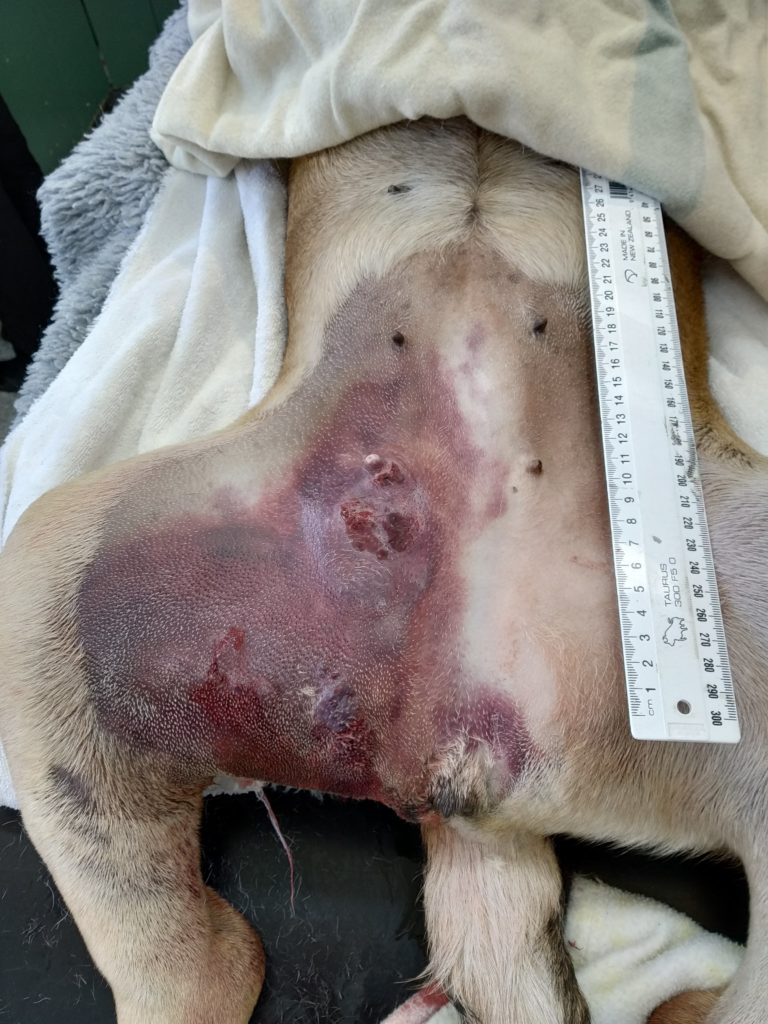
MICHAEL HARDCASTLE As veterinarians we are trained to describe lesions accurately, but sometimes language can fail, however “a picture is worth a thousand words”. Therefore, the submission of images alongside a written history is always encouraged and welcomed for every case we receive at the laboratory. When to submit images The site of biopsies and […]

Sample preparation for histology

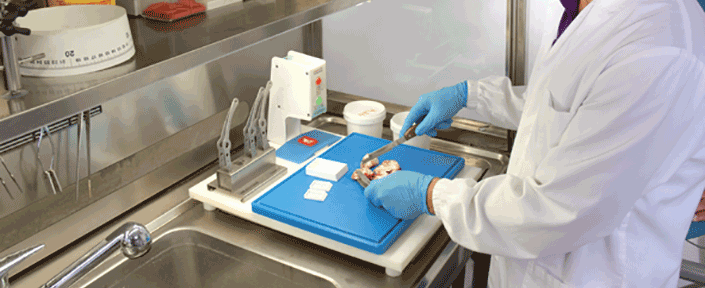
RAMONA EIHOLZER To ensure your histology samples reach us in the best possible condition for processing and interpretation, we have some tips for how the samples need to be handled before you send them to us. > Samples to be submitted for histology must be fixed in 10% neutral buffered formalin, in a 10:1 ratio of […]

Ear notch sampling

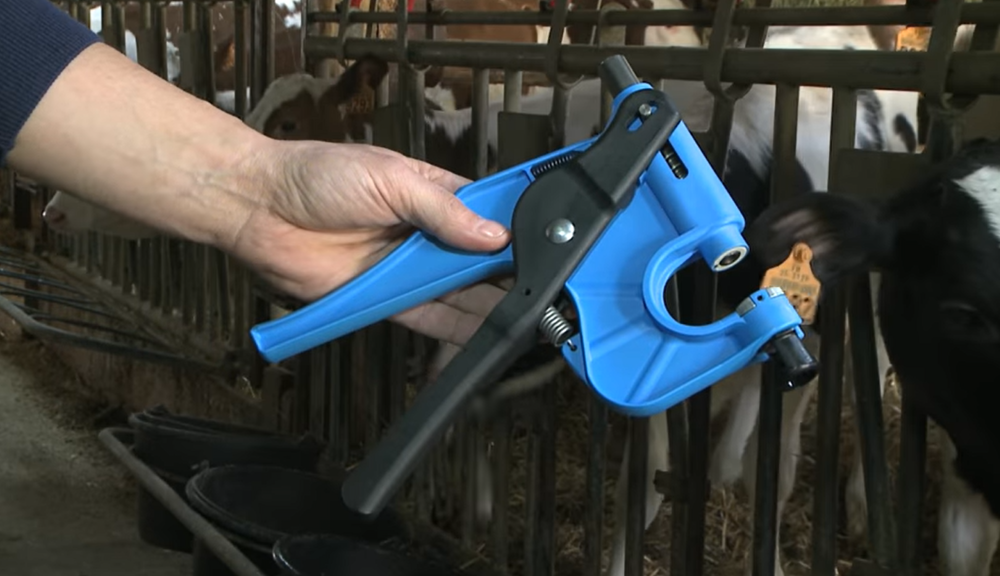
Ear notch tissue is an ideal sample for BVD testing on animals of all ages (for PCR and antigen ELISA testing).  We’ve now made it easy for you to take samples using a reliable method that is quick, safe, user-friendly, easy to transport and efficient for us to process in the laboratory. Introducing the Allflex […]

Case of the month

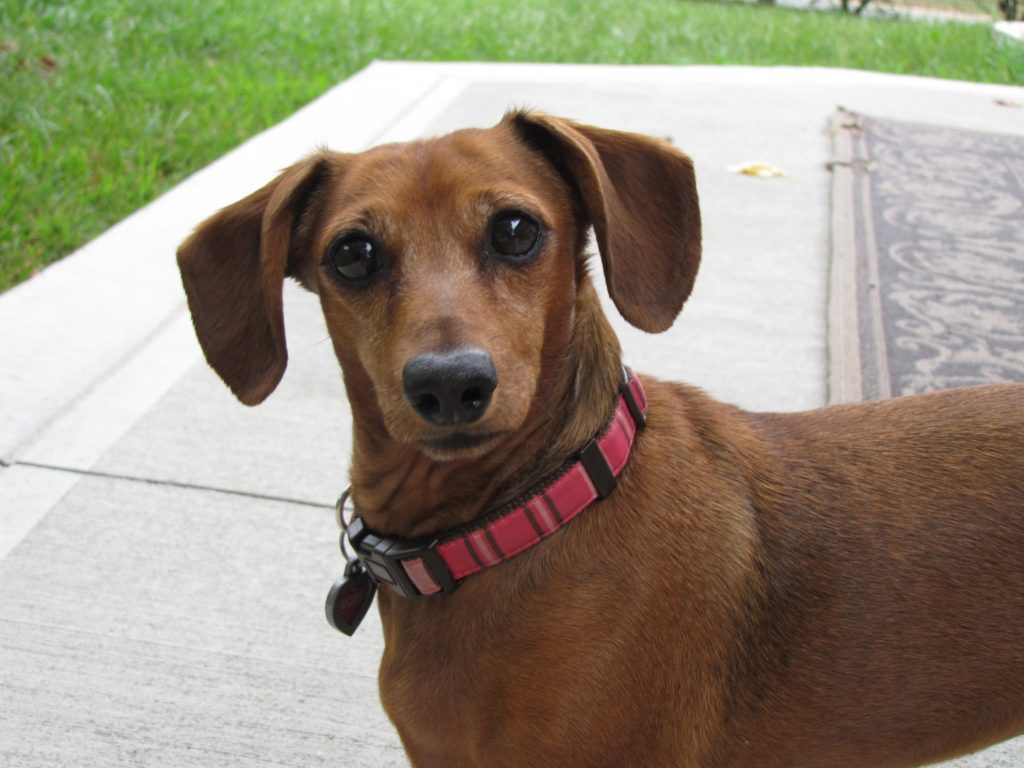
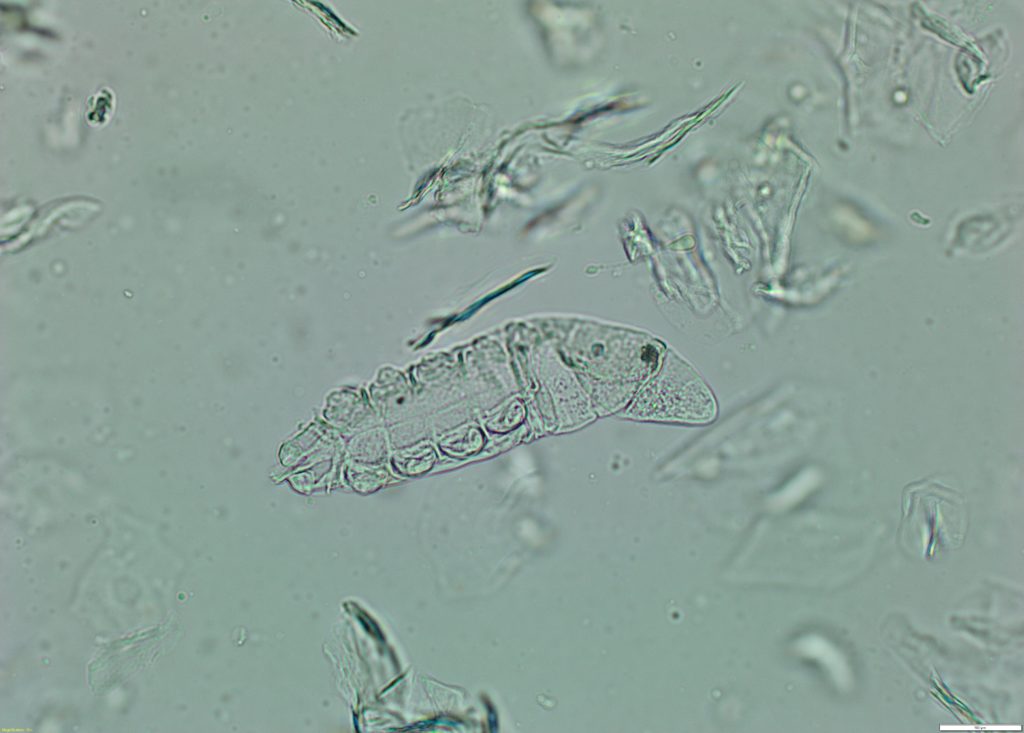
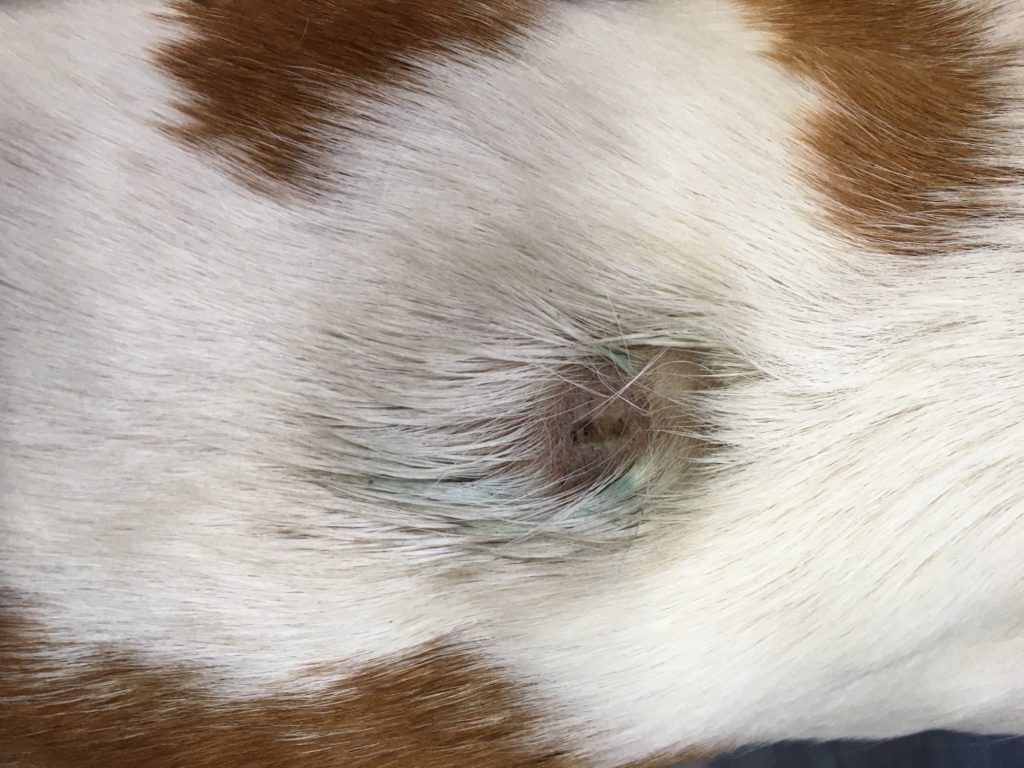
LISA HULME-MOIR Many of us are familiar with the classic cases of young bull terrier type dogs coming in with demodicosis. However not many may have Demodex at the forefront of our minds when working up skin disease in older animals. A recent case highlights the value of skin cytology and the need to keep […]

FIP diagnostics

HANIA KLOBUKOWSKA Feline infectious peritonitis (FIP) is a disease not uncommonly seen throughout New Zealand. It is caused by feline enteric coronavirus (FECV) which exists as two pathotypes: the ‘ubiquitous enteric biotype’ and the ‘virulent biotype.’ The enteric biotype has a prevalence that approaches 100%, especially in multi-cat households, and mainly causes a self-limiting diarrhoea. […]

Water trough check-up

Could your clients be pouring valuable trace element supplementation down the drain? Mineral supplementation comes at a price, so with your clients in mind, we’ve developed a testing system that allows you to check-up on the mineral content of stock water supplies to ensure levels are adequate, but are not drowning in it!  Whether farmers […]

Salmonella study

Information for veterinarians Cases of Salmonella in the dairy industry have been increasing over recent years. Whilst this increase has been moderate with both Salmonella Typhimurium and S. Brandenburg, it has been significant with S. Bovismorbificans, which has seen a dramatic and sustained increase in cases since 2015 with a concomitant increase in human and […]

Dogs, lymphoma and ICC

SUNAO FUJITA Immunocytochemistry (ICC) is an adjunct diagnostic tool, which helps to identify cellular origin utilizing the accuracy of antibody-antigen binding. In comparison with immunohistochemistry (IHC), which is more commonly used in both human and veterinary medicine, ICC is not routinely exploited for the classification of a variety of neoplastic lesions. However, ICC has the […]

Case of the month

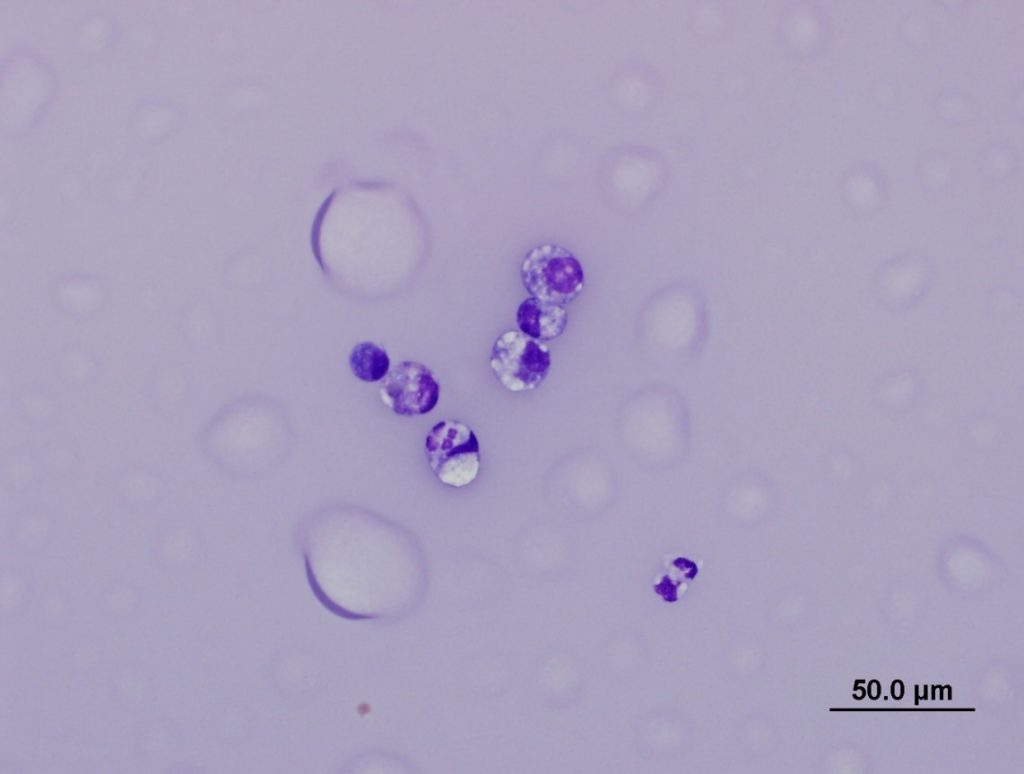
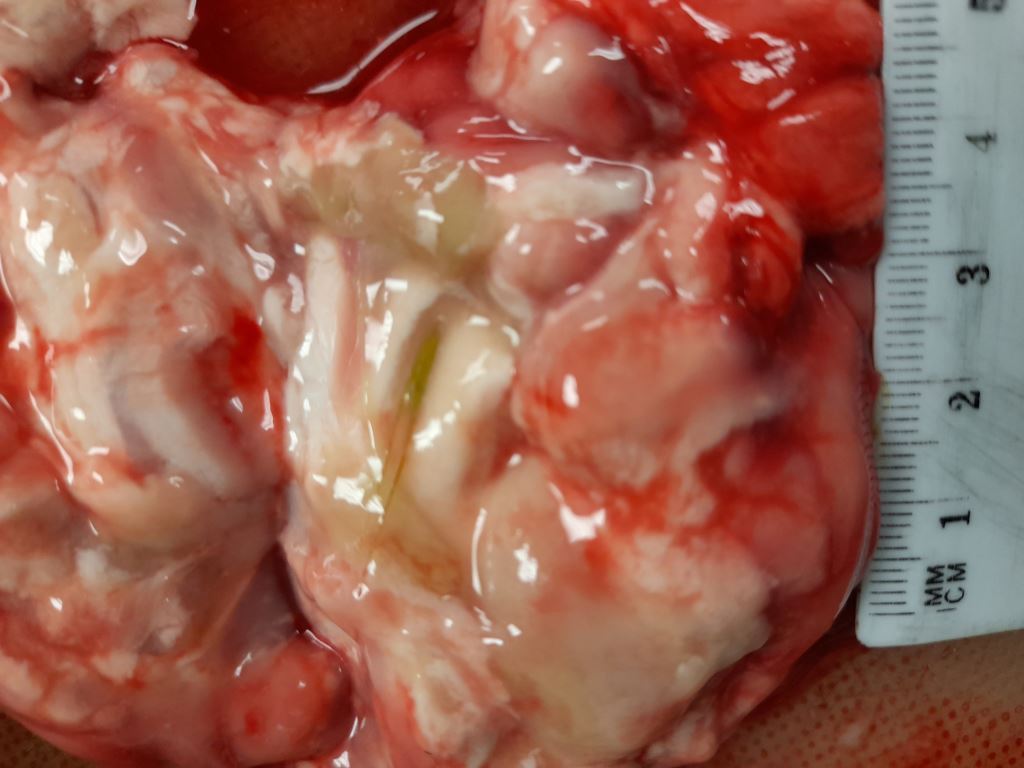
KATHRYN JENKINS Fine needle aspiration (FNA) can quickly and easily identify whether an enlarged lymph node is hyperplastic/reactive, inflamed, or neoplastic (e.g. lymphoma). It can also aid in the identification of potential metastatic disease (e.g. mast cell tumours, carcinoma, histiocytic sarcoma), and can also identify uncommon infectious agents. A recent case highlighted the usefulness of […]

Liver sampling

ROB FAIRLEY When sampling the liver for histology (especially for cases with known liver disease) it is helpful to take multiple pieces and it is really helpful to make sure that what you select includes some decent-sized bile ductules. Facial eczema, for example, preferentially affects the larger ductules. Some livers may have really badly affected […]