
Our news

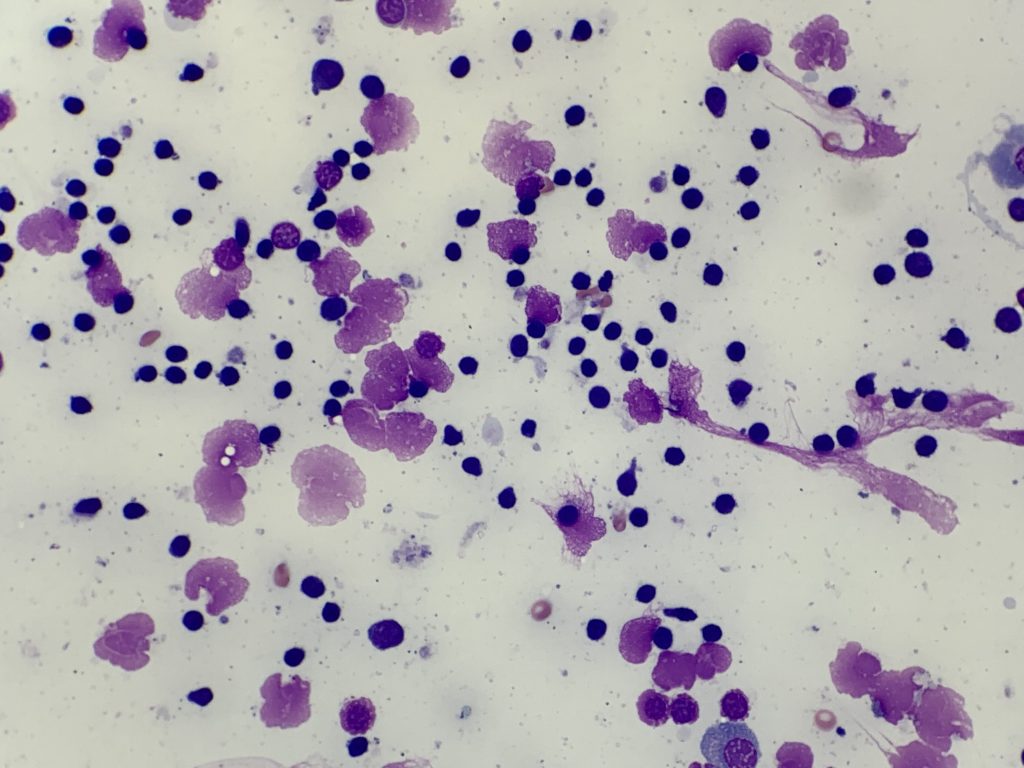
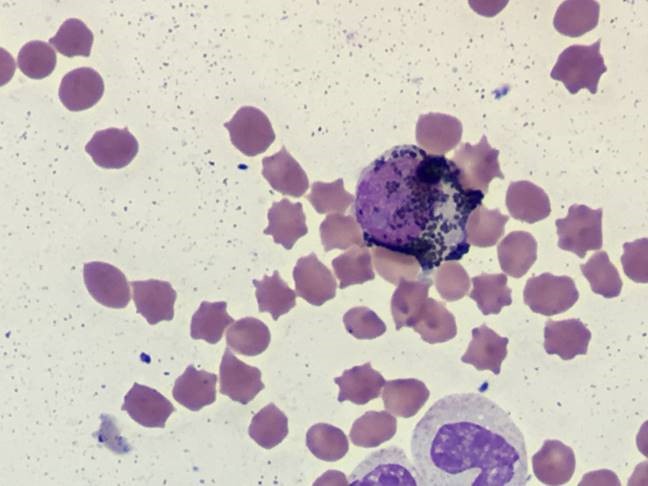
Equine melanoma

KATHRYN JENKINS Clinical history: A 19-year-old Grey warm-blood horse presented as lethargic and anaemic, with very pale mucous membranes and covered in melanomas.  Bloods were submitted for biochemistry and haematology testing. Haematological findings: > Haemoglobin (69g/L) and haematocrit (0.20 L/L) were both below the normal reference interval and red cells displayed anisocytosis, and poikilocytosis. Small […]

Improved qPCR assay for detection of Parapoxvirus

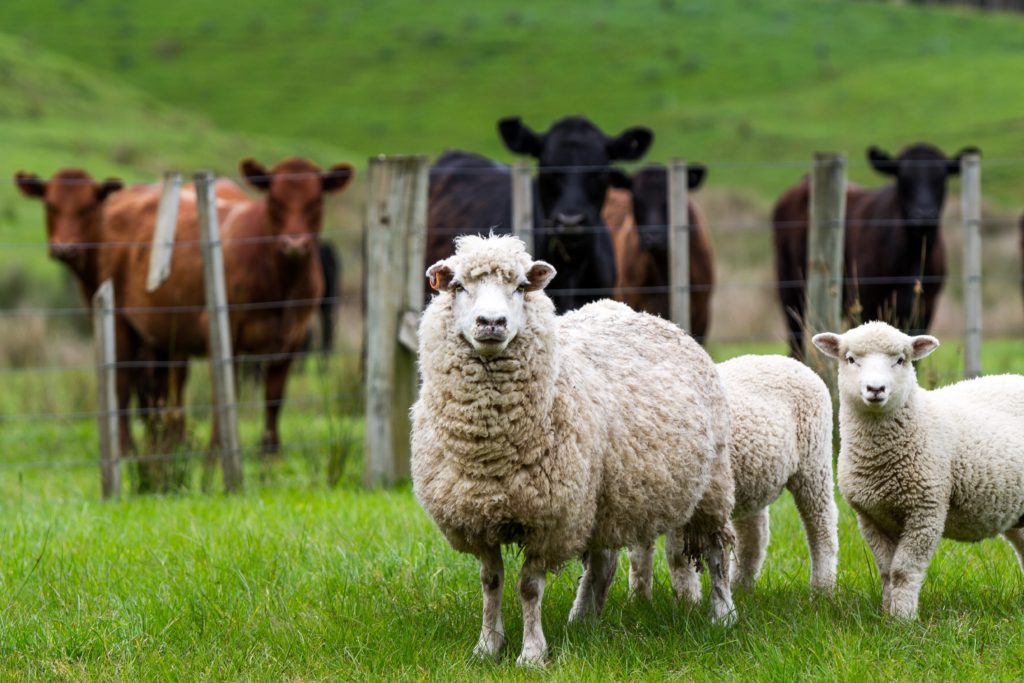
Saeed Sharif & David Tisdall Parapoxviruses (PPVs; genus Parapoxvirus) infect a wide range of species generally causing localised cutaneous lesions. The genus comprises four species: Orf virus (ORFV), Bovine papular stomatitis virus (BPSV), Pseudocowpox virus (PCPV), and Parapoxvirus of red deer (PVNZ). The most common hosts of PPVs are ruminants, including sheep and goats (infected […]

Diagnosis and management – canine and feline UTIs

Karen Bailey Urinary tract disease is a common reason for antibiotic use in cats and dogs. With increasing awareness of the need for appropriate antimicrobial stewardship, the International Society for Companion Animal Infectious Diseases (ISCAID) guidelines on UTI are a good reference. Whilst high level objective data is scant, the authors have useful advice, though […]

Blood culture submissions

When sending blood cultures to the laboratory, we recommend you send them on the morning courier (where possible) to ensure optimal handling and timely processing. If the culture bottles cannot be sent on the morning courier, they should be placed in a warm place (not exceeding 37°C) or at room temperature until they can be […]

Testosterone testing no longer recommended

Kathryn Jenkins There is currently no validated serum testosterone test for veterinary species available and the referral test method in use has low sensitivity. As a result, serum testosterone is no longer recommended for use in veterinary species. In many cases, this can be replaced by serum Anti-Müllerian hormone (AMH). AMH is produced by the […]

Zinc toxicity in cattle

Hania Klobukwska Introduction Zinc toxicity is almost exclusively seen following the prophylactic use of zinc supplementation administered during the facial eczema (FE) season. Zinc toxicity is not new to the New Zealand scene however it is important to consider it as a differential diagnosis under certain circumstances, especially when the farm is known to be […]

An unusual finding in a bloated dog

Bernie Vaatstra Clinical findings A 13-year-old, spayed female Lhasa Apso presented at an after-hours veterinary clinic for acute gastric dilatation. Prior history included several years of upper gastrointestinal signs including intermittent vomiting and inappetence. Clinical signs improved on institution of treatment with 10mg omeprazole SID in 2023, and remained stable until October 2024, when the […]

Spindle cells

Cathy Harvey Of all the masses that occur in the skin and subcutis, probably the most care needs to be taken when evaluating spindle cells from mass lesions, as reactive spindle cells associated with fibroplasia cannot be easily distinguished from neoplastic cells on cytology. Often these lesions are firm and do not exfoliate well, making […]

Acorn poisoning

ROB FAIRLEY Each year significant numbers of acorn poisoning cases are seen in our laboratories and almost always in calves. They often occur when feed is short and animals are driven to consume acorns, or because animals have been put into areas to clean rank grass out – areas like lane-ways with mini plantations of […]

Fees for credit card payments

We are no longer able to absorb the merchant fee associated with credit card payments. As a result, we will be passing this cost onto our customers at a rate of 2.5%, effective for payments made on or after March 1, 2025. However, payments made via direct debit will still be completely free of charge. […]