Our news

Only skin deep

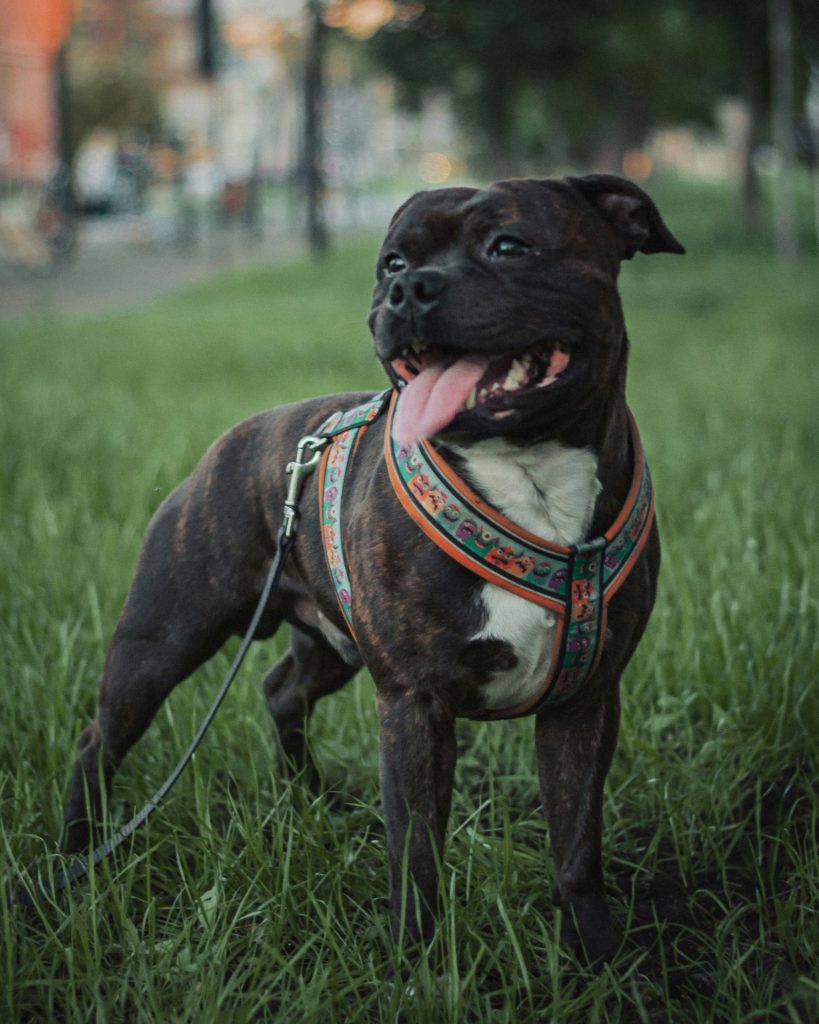
Arefeh Ravanbakhsh Case history A three-month-old intact female Staffordshire Bull Terrier was presented to the veterinarian for evaluation of multifocal areas of alopecia. Pruritus was not reported. Multiple skin scrapes of the affected areas were collected for cytological evaluation, and hair plucks collected for ringworm culture and potassium hydroxide (KOH) preparation. Cytological findings The skin […]

The not-so woody tongue

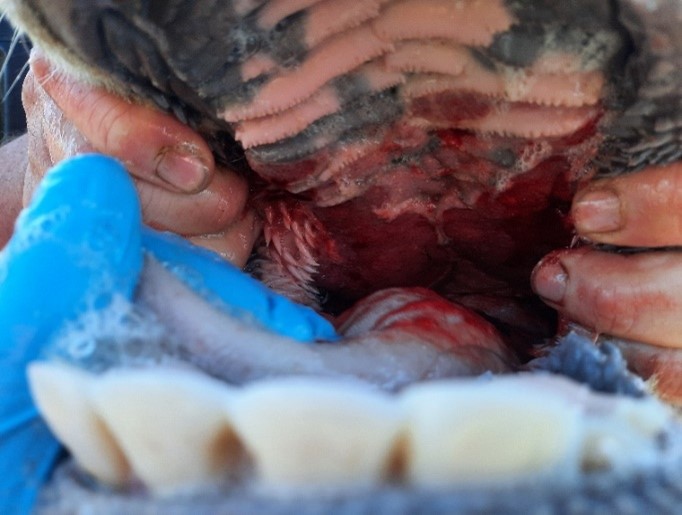
Wilson Karalus Clinical history A three-year-old dairy cow presented for severe ulceration of the dental pad and hard palate, towards the back of her mouth near the base of the tongue (Figure 1). Hypersalivation was noted and she had evidence of ulceration of both nostrils, with clear nasal discharge and enlargement of the mandibular lymph […]

Of grave concern

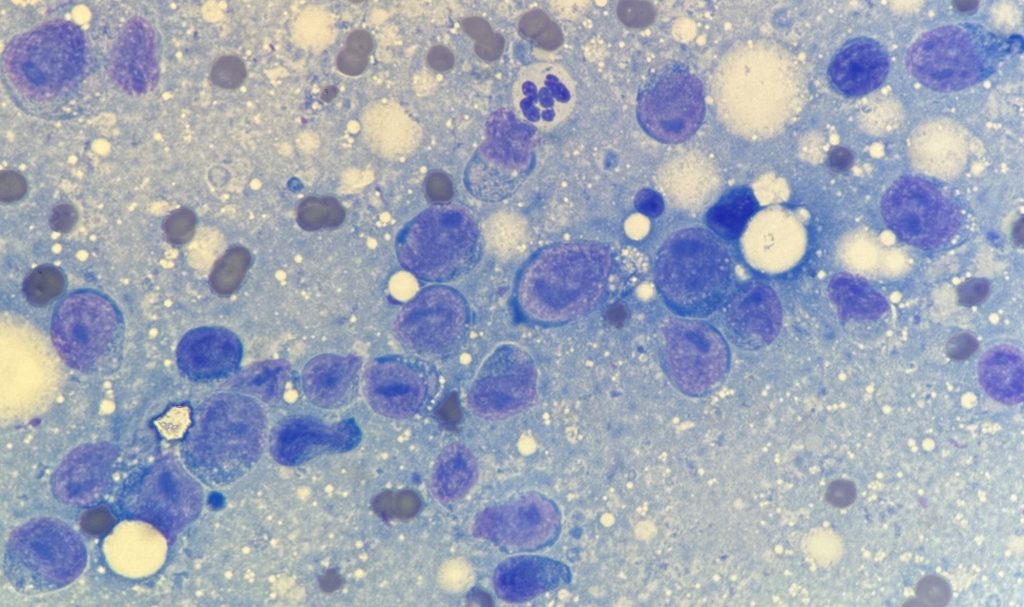
Sandra Bulla Clinical history A 10-year-old male, neutered domestic cat presented at his local veterinarian with multiple dermal/subcutaneous nodules. The nodules were moderately firm and were present all over the trunk in variable sizes, with the larger nodule being 3cm wide. They were not painful, and the cat was well otherwise. Fine needle biopsy was […]

Let us be of acystance

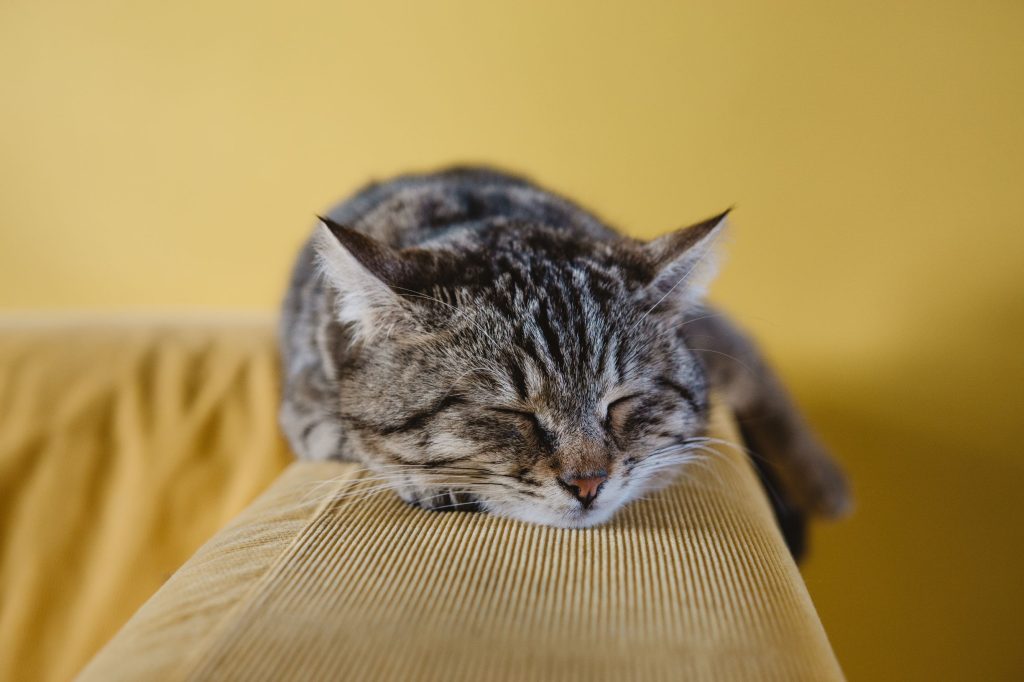
Geoff Orbell Clinical history Lucy, a seven-year-old, spayed female Domestic Short-Haired cat presented to her veterinarian with a palpable subcutaneous mass in the jugular furrow on the left side of her neck. The owners opted for surgical excision and during surgery it was noted to be adherent to the adventitia of the underlying jugular vein. […]

A good bye and a welcome

After eight years leading the Awanui Veterinary/Scientific team, James Richardson, our General Manager has decided to make some personal changes. His journey with Awanui ended on October 22nd. Before leaving James commented: “Leaving this role has been an extremely difficult decision for me, I am deeply passionate about the animal health industry and the vital […]

Companion animal liver biopsies

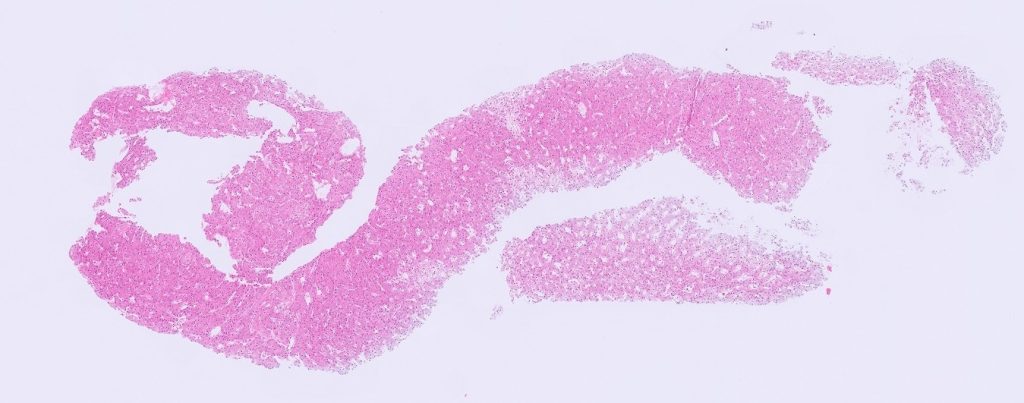
– Indications, techniques and benefits Bernie Vaatstra Liver disease is very common in dogs and cats and frequently presents a diagnostic challenge. A survey of 1,725 cat veterinary visits found a prevalence of liver disease or about 7% diagnosed through laboratory and imaging studies (Melchert et al, 2016). A post-mortem survey of 200 unselected dogs […]

Ovine drench resistance update 2024

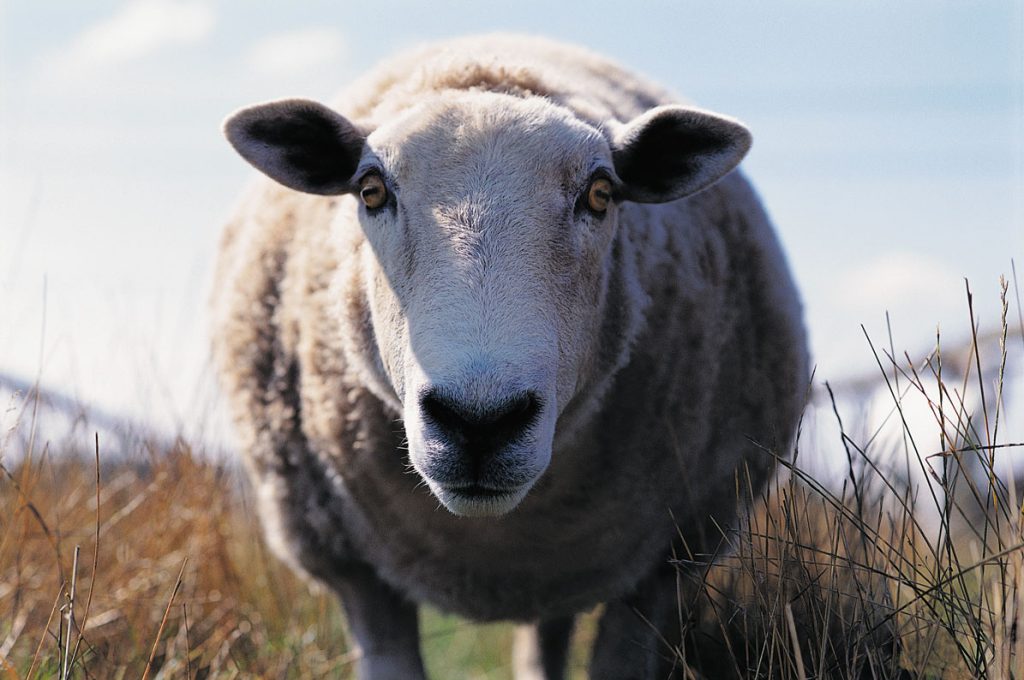
Sarah Riddy This report outlines the analysis of data submitted to the Awanui Veterinary network from June 2023 to May 2024 for fully differentiated faecal egg count reduction tests (FECRT) from sheep. The data was collected from cases where the test anthelmintic and sample groups were clearly identified, with a minimum of 10 animals per […]

Clinical use of reticulocyte haemoglobin in CBCs

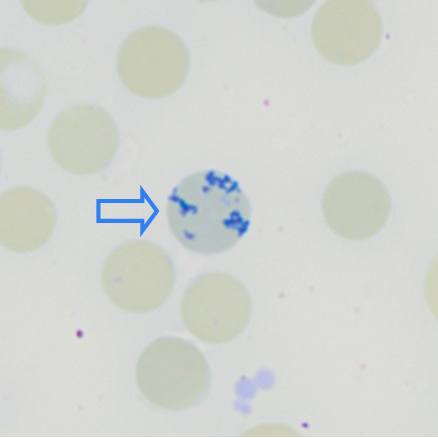
Kathryn Jenkins Reticulocyte haemoglobin (RET-He) is a valuable diagnostic marker for iron-deficient erythropoiesis in both dogs and cats. RET-He reflects current iron availability and enables earlier identification of iron-limited states. Reticulocytes are immature red blood cells (erythrocytes), which develop in the bone marrow and are released into circulation prior to maturation. Maturation time in dogs […]

New haematology reference intervals

We are thrilled to announce that starting Monday, 30 September, our haematology reports will feature newly established reference intervals for cats and dogs. This milestone comes after three years of meticulous research and collaboration. Our large-scale reference interval study involved the dedicated efforts of numerous individuals, and we extend our deepest gratitude to all the […]

C-reactive protein – how useful is it?

Sandy Weltan An acute phase protein response is part of the innate host defence system and is a non-specific response to tissue injury. Acute-phase proteins (APP) are glycoproteins which are mostly produced in the liver. C-reactive protein (CRP) is a major APP in dogs, meaning that it is present in low concentrations, increases 100 to […]