
Our news

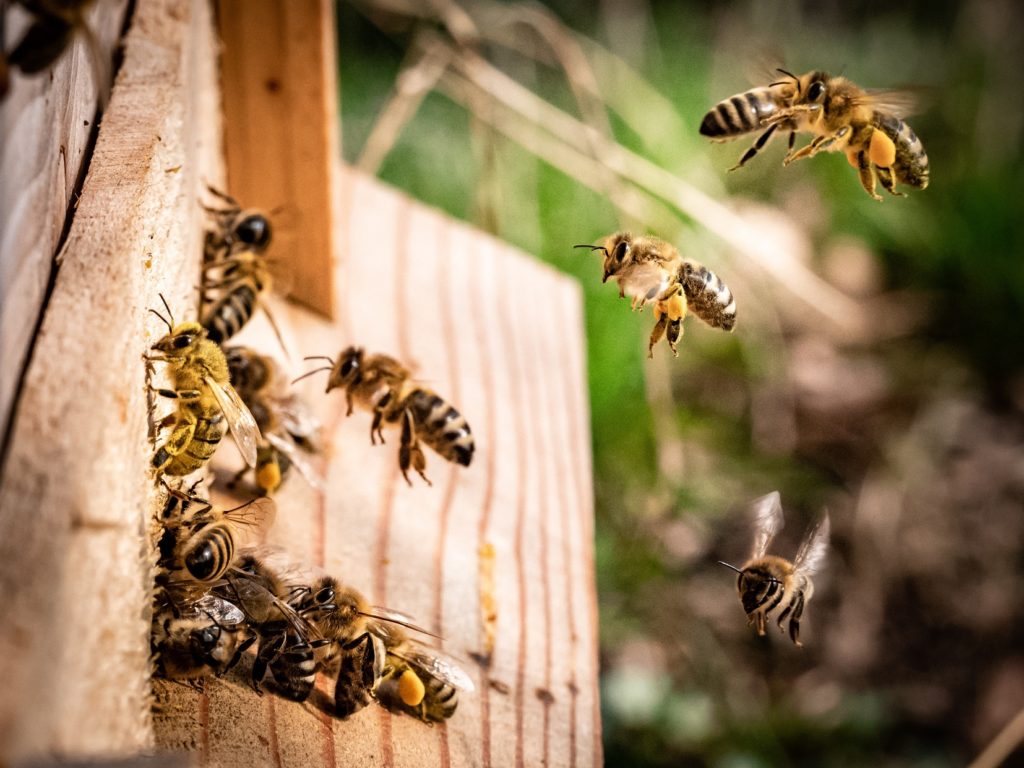
Bee smart with hive health

Like any type of farming, inspection for bee diseases is an important part of beekeeping. The healthier your colony, the more productive they will bee, and in turn will help ensure the honey produced is as sweet as.  Bees are however not just producers of honey. Their pollination of crops and native plants helps ensure […]

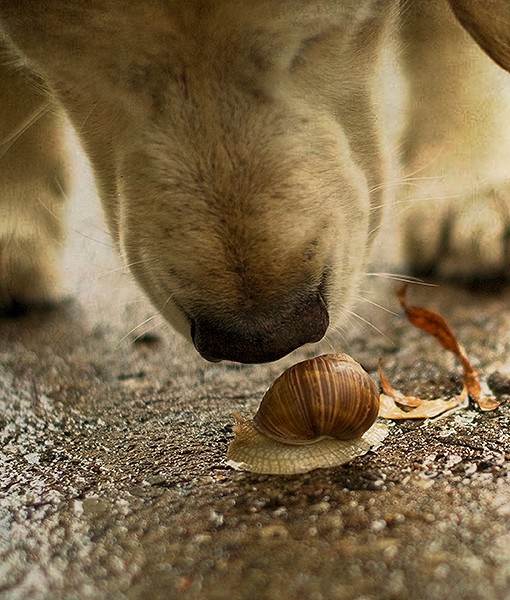
Slug/snail bait toxicities in dogs

With the summer in full swing and molluscs invading the vegetable patch, the opportunity for accidental ingestion of slug/snail bait products is increased. In New Zealand there are two main compounds used in slug/snail bait products: metaldehyde and iron EDTA. While most of us are familiar with metaldehyde toxicity, cases of toxicity due to ingestion […]

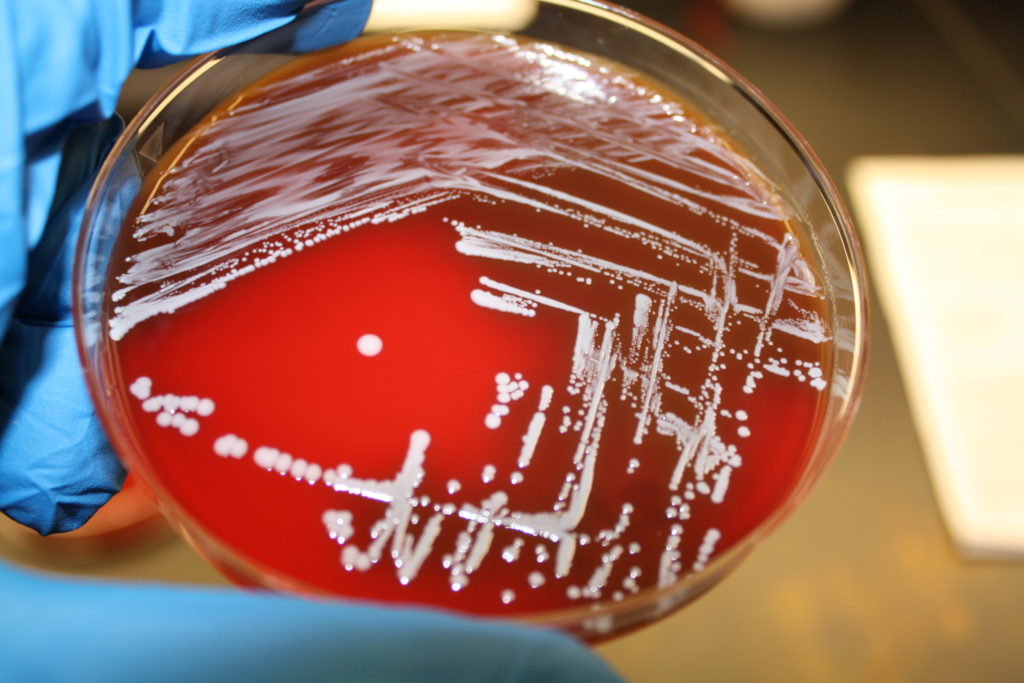
Casting a new light on bacteria

ALICE FRASER Non-aureus staphylococci (NAS) isolated from cultures of milk samples, are often reported as coagulase-negative staphylococci (CoNS) – this was historically based on their ability to clot rabbit plasma, a key manual identification step in conventional bacteriologic methods for staphylococci. With the increased use of MALDI-TOF, which, as detailed previously,  increases the ability to […]

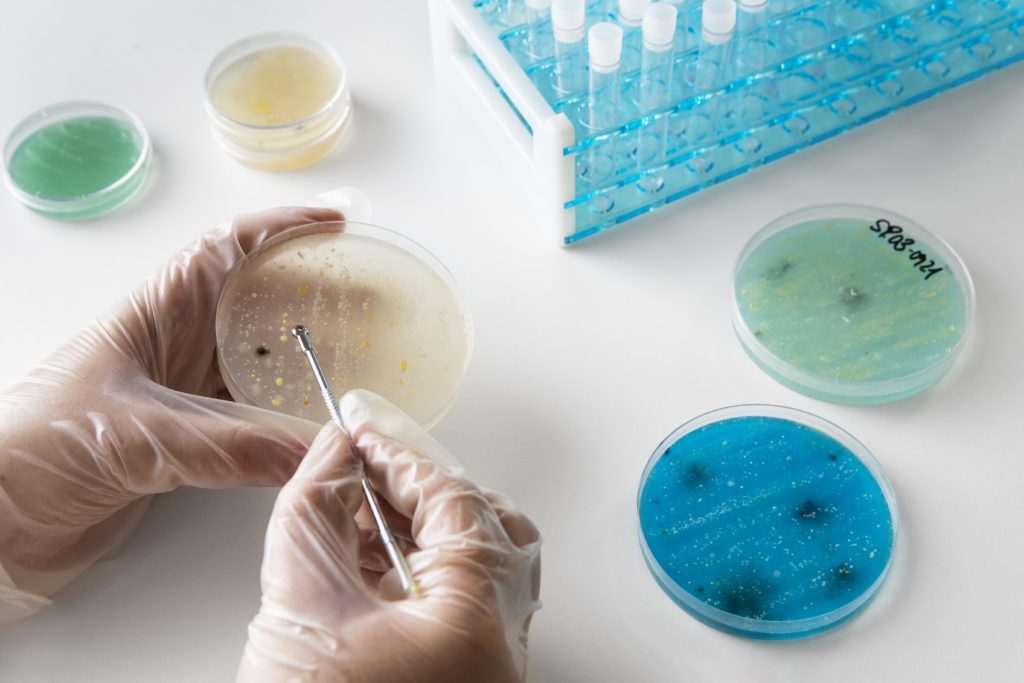
Newly identified microbes

ALICE FRASER With the advancement in technology in diagnostics, many of you may be aware that Gribbles now use Matrix-assisted laser desorption ionisation-time of flight (MALDI-TOF) equipment in microbiology. MALDI-TOF can be used for several different applications, but in microbiology we use it as a rapid method for identification of microorganisms using their species-specific protein […]

Horsing around

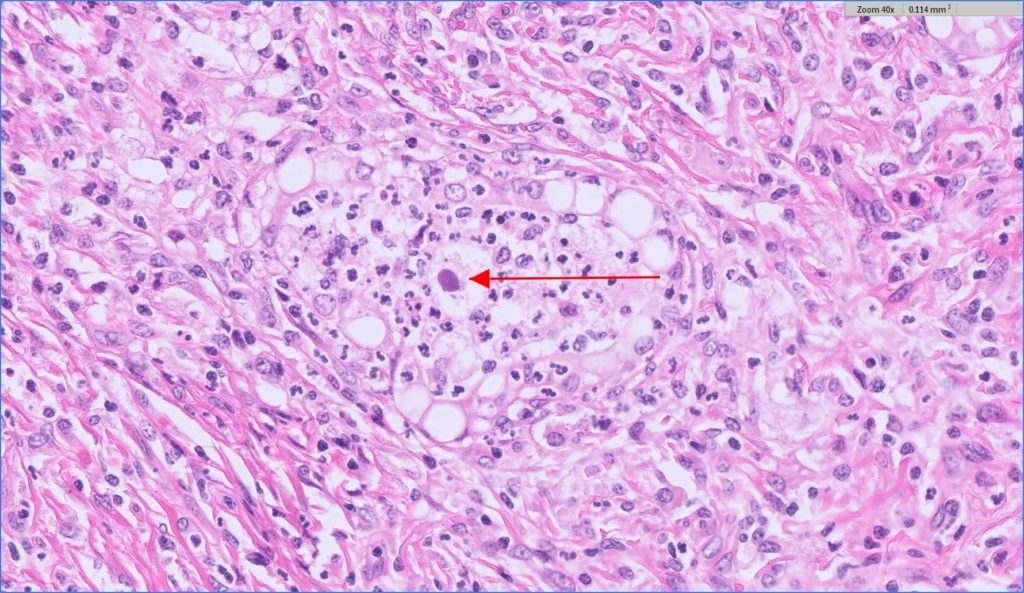
BERNIE VAATSTRA Clinical history An adult pony mare developed chronic progressive weight loss over the course of 9 months. Clinical examination revealed increased respiratory effort and a draining lesion of the right mandible with bony proliferation. Ultrasound examination and radiography of the lungs revealed multinodular soft tissue opacities throughout the lung fields. Biochemistry and haematology […]

Got an itch?

GEOFF ORBELL The onset of spring often coincides with an increased number of dogs, cats and horses presenting with pruritus and secondary skin and ear infections due to atopic dermatitis or feline atopic skin syndrome (FASS). The diagnosis of atopic dermatitis is based on history, clinical presentation and ruling out other causes of pruritus including […]

Tumour on the dark side

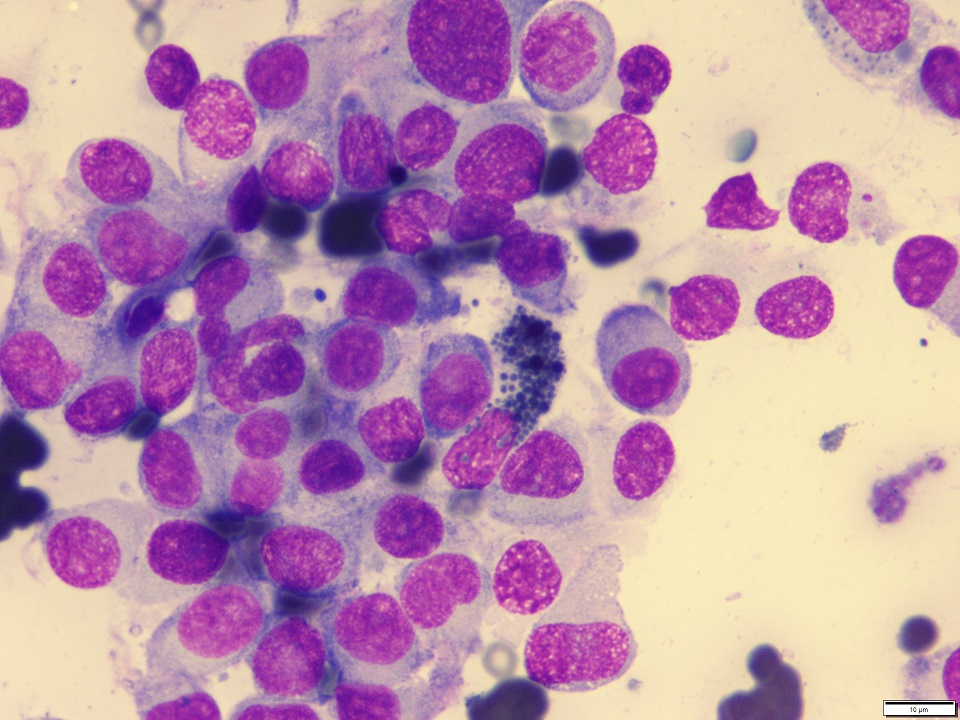
SUNAO FUJITA Clinical history A 15-year-old spayed female, domestic short haired cat presented with a large granulomatous-type lesion on the right upper lip. Fine needle aspiration of the mass and biopsy were performed, and the smears and fixed tissue were sent to the laboratory for cytology and histopathology. Cytologic findings Large numbers of round to […]

Introducing your local laboratory managers

With the introduction of a new laboratory manager in our Dunedin laboratory in late September, we thought we’d take the time to reintroduce the entire laboratory management team. Auckland – Miriam Reddy Miriam has worked as laboratory scientist in medical and veterinary (haematology) laboratories in Auckland and the United Kingdom. She has worked in the […]

International recognition

Congratulations to Dr Emma Gulliver, a Pathologist at our laboratory in Auckland, who recently became a Diplomate of the American College of Veterinary Pathologists. “Emma has joined a distinct group of around 2200 global members of the American College of Veterinary Pathologists (ACVP), known as Diplomates” says General Manager James Richardson.  “The Diplomate is an […]

Vitamin B12 method change

As mentioned in previous communications regarding changes to vitamin B12 testing, we are no longer able to reliably source the radioactive labelled Co57 required to carry out the RIA method for measurement of vitamin B12 in serum, plasma and liver samples.   Extensive comparative testing has been carried out over the last few months and validation of a new […]