Our news

I see red, I see red, I see red!

We just love getting customer feedback, especially suggestions for improvement that will benefit many of our clients. The most recent  improvement is to molecular test reporting. You will now find positive, pool positive, detected, weak detect, high positive etc. results for molecular and BVD milk tests are highlighted in red font on reports.  This will […]

A collaborative case

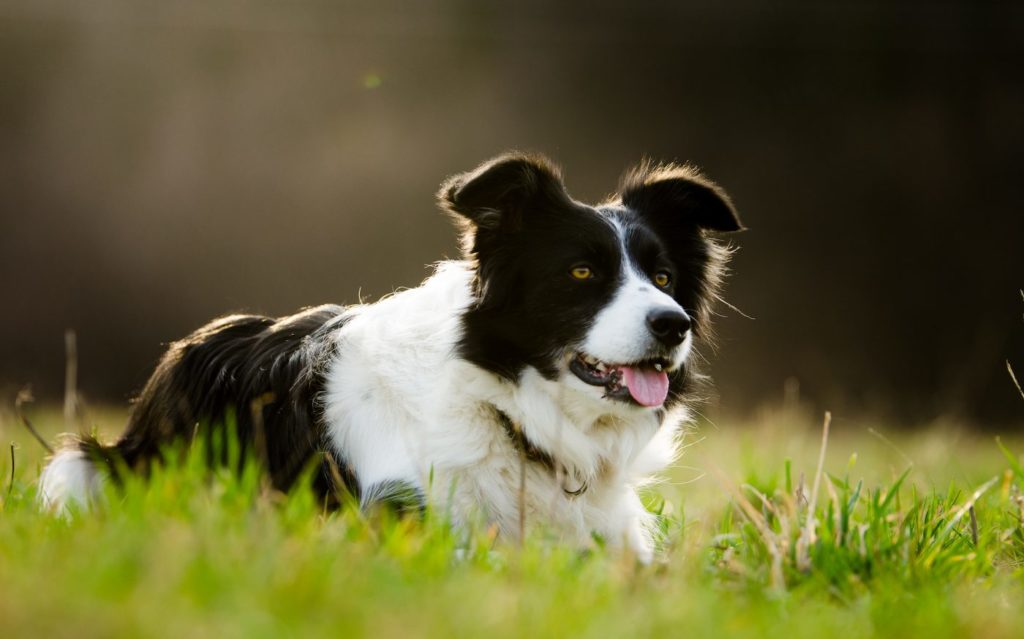
CATHY HARVEY & REBECCA ALLAN Clinical history: Buddy, a 4-year-old neutered male Border Collie presented with lethargy and an in-house PCV of 12%. There was no free blood in the abdomen and the spleen was normal. He had progressive pancytopenia without regeneration, a single dose of dexamethasone and two blood transfusions, before bone marrow samples […]

Hidden in fat

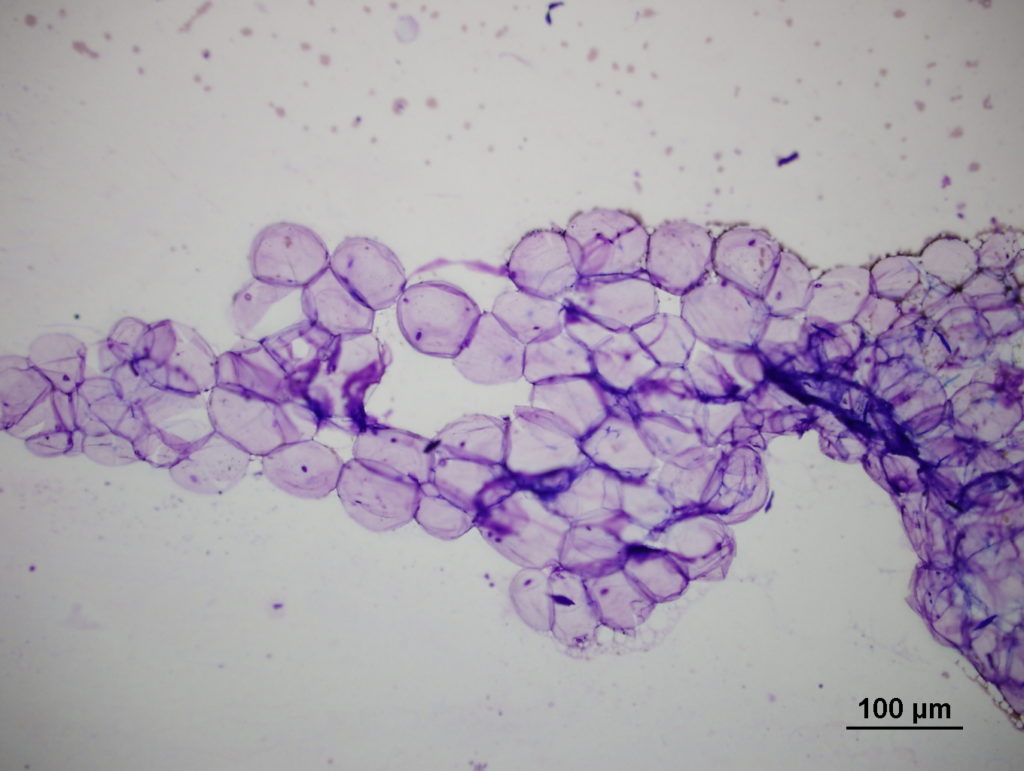
KATHRYN JENKINS A recent interesting case highlighted the issue of a lesion which can mimic the clinical appearance of a benign lipoma. Clinical history: A 10-year-old dog presented with a 7 cm diameter mass located on the upper forelimb, which had been slowly growing over the last 4-6 months. The mass palpated like a lipoma, […]

Update on the prevalence of anthelmintic resistance 2021–2022

Sarah Riddy, Gribbles Veterinary Pathology With the routine use of Gribbles Veterinary’s automated faecal egg count reduction test (FECRT) report system, we are pleased to announce the resumption of our annual update on anthelmintic resistance. This report details the analysis of data from fully differentiated FECRTs submitted to the Gribbles network for the season November […]

Transitioning terminology

AMY WEEDEN You may have noticed the terms “urothelial cell” or “urothelium” being used in urinalysis, cytology, or histology reports over the last several years. There has been a shift in human medicine and, later, in veterinary medicine from the use of transitional epithelium to urothelium to describe the specialized stretchy epithelial tissue that lines […]

Feline herpesvirus dermatitis

BERNIE VAATSTRA A 12-year-old female neutered Domestic Short-hair cat developed a raised, crusted, circular lesion on the right upper lip. The lesion was pruritic and did not respond to treatment with glucocorticoids. An incisional biopsy was submitted for histopathology. Histopathology findings: The epidermis was focally ulcerated and crusted (Figure 1). The dermis was infiltrated by […]

Dairy cattle Salmonella study  

Salmonella is endemic in dairy cattle in New Zealand, and can cause large outbreaks of scouring and mortality. The effects of Salmonella on-farm can be devastating and pose a serious risk to the health, productivity and welfare of affected animals. Salmonella is also a common cause of gastro-intestinal disease in humans, with livestock acting as […]

Spleendid samples

MICHAEL HARDCASTLE Splenectomy for nodular splenic masses or diffuse splenomegaly is common, and we often receive entire spleens, or parts of splenic lesions for histopathology. Some spleens (and splenic masses) are very large, so fixing adequately in formalin prior to submitting to the laboratory for histopathology can be problematic. The entire spleen is our preferred […]

Up your staining game

Do you stain blood or cytology smears in-clinic?  Struggle to find an appropriate container to fit the slides and hold the stain? We are very excited to now be stocking Coplin jars for slide staining.  These classic glass jars are designed to hold microscope slides in their vertical grooves for staining, plus they have a […]

Ovine virus causing chaos

JOHN GILL Malignant catarrhal fever (MCF) is a sporadic disease of cattle and deer, caused by the sheep-associated virus (ovine herpesvirus 2). MCF is  passed to cattle and deer by carrier hoggets and lambs, but affected cattle and deer do not transmit MCF to their cohorts. The incubation period can be several months. The following […]