Our news

Packaging histology samples

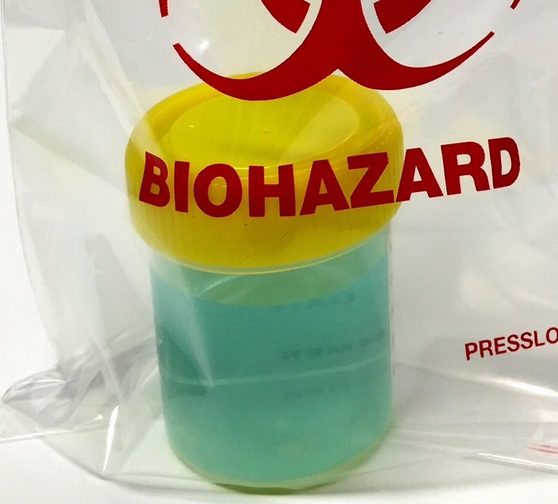
We’ve had some ‘interesting’ histology submissions lately, so we thought it was a good time to remind you of how samples should be packaged to avoid disasters and to best preserve the samples for examination. Please do: > Submit histology samples separately from any specimens for cytology (don’t put sample containers in the same specimen bag […]

Feline lung-digit syndrome

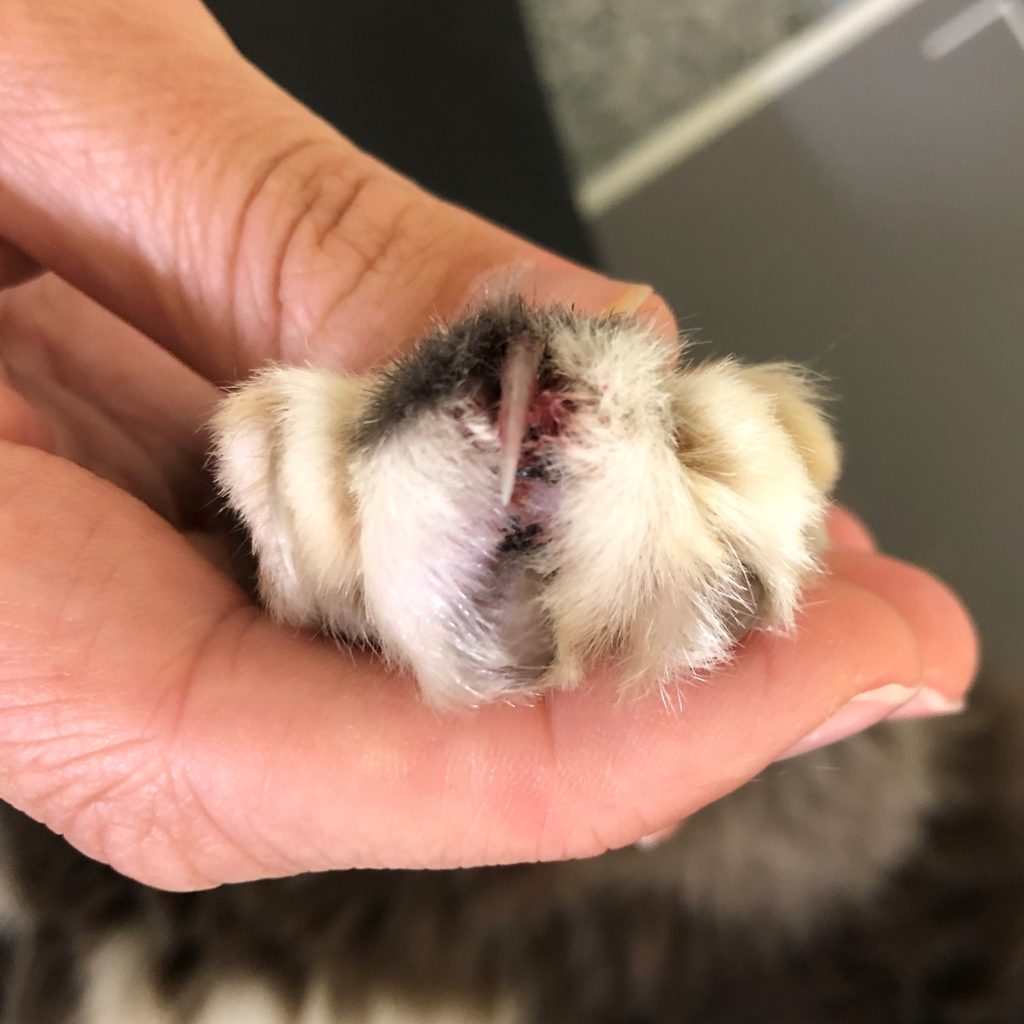
Rebecca Allan Clinical history An otherwise well, 9-year-old male neutered domestic medium-hair cat, presented to the veterinarian after his owner discovered he had swollen crusted toes on one front foot and both back feet. Clinical examination revealed that affected toes were swollen, malodourous, with a necrotic appearance around the nail base (photos 1 and 2). […]

Hyposegmentation

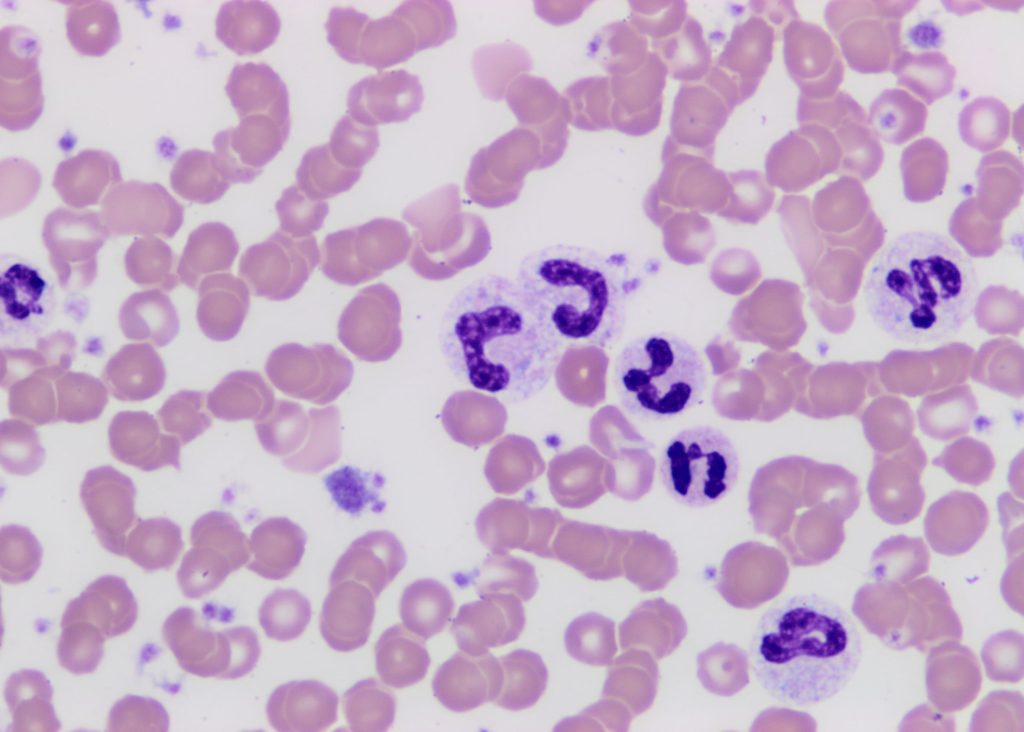
Arefeh Ravanbakhsh Pelger-Huët anomaly (PHA) is a genetic condition reported in numerous species characterised by nuclei hyposegmentation of granulocytes (neutrophils, eosinophils, and basophils). Nuclei of granulocytes can appear oval, kidney-shaped, bean-shaped, band-shaped or bilobed.1 This anomaly has been described in dogs, cats, horses, rabbits, and humans.1 It is thought that a defect occurs at the […]

Update: Canine exocrine pancreatic insufficiency

Karen Bailey In our February newsletter we advised you of a recent update to the interpretation guidelines for canine serum Trypsin-Like Immunoreactivity (TLI) test results. These changes were provisional pending further studies to refine the clinical cut-off limits for diagnosis of canine exocrine pancreatic insufficiency (EPI). More information has recently become available confirming the original […]

When is a swab more than a swab?

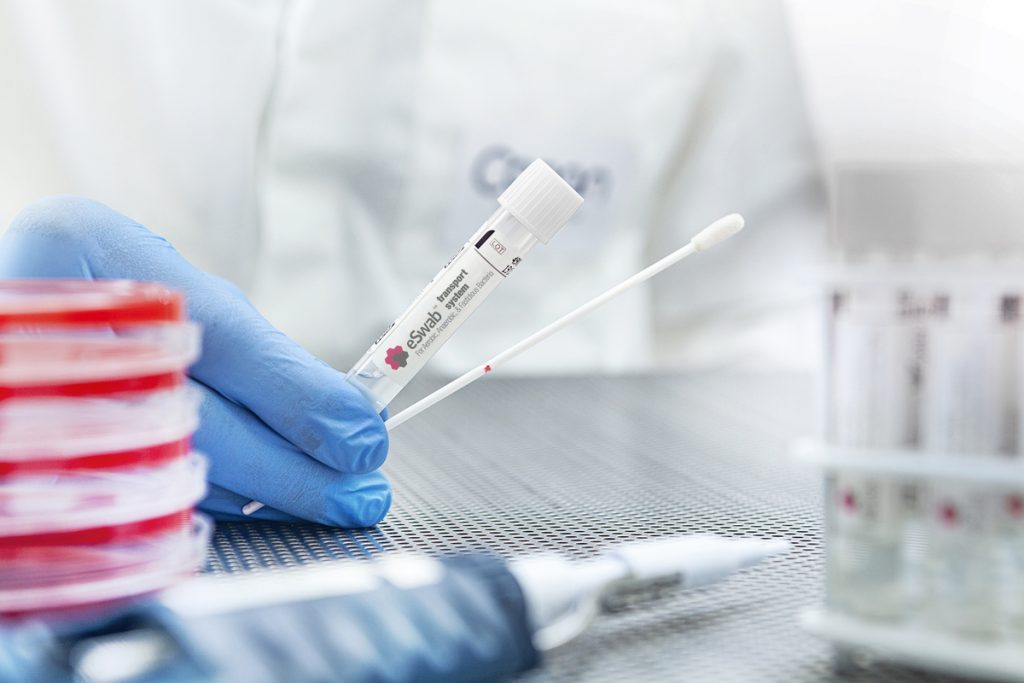
Geoff Orbell Sometimes knowing which gel swab to use for a given sample type or pathogen can be confusing. ESwab® are quickly becoming popular in veterinary medicine as they are extremely versatile and can be used for a variety of cultures including: · Aerobic and anaerobic culture· Fastidious bacteria e.g. Nocardia sp., rapidly growing Mycobacteria and Chlamydiaceae· Gram […]

Exotic visitors

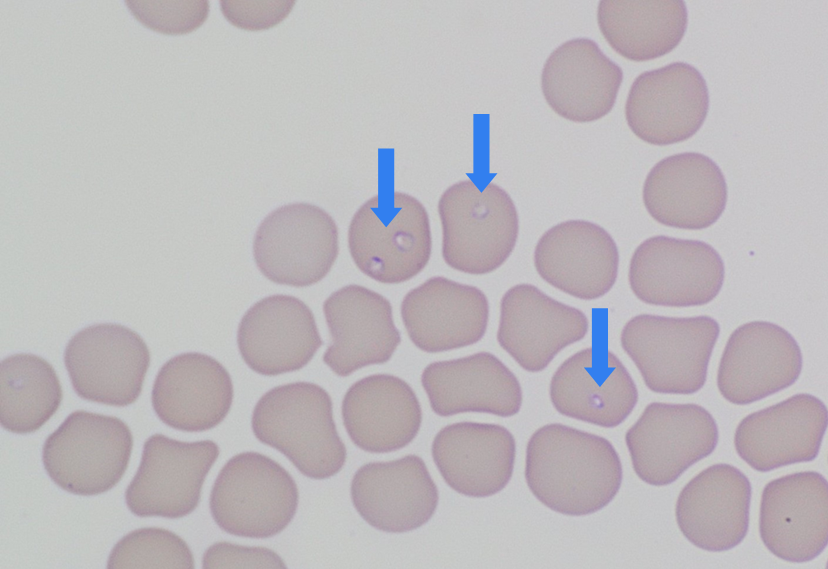
Sunao Fujita Clinical history An 18-month-old, spayed, American Staffordshire Terrier recently presented at the veterinarian for lethargy and inappetence. Pale mucous membranes and pyrexia (39.9°C) were observed on physical examination. In-house CBC and chemistry revealed marked anaemia and mild hyperbilirubinemia, respectively. An EDTA sample was sent to Awanui Veterinary for a full CBC including blood […]

Sheep poo required

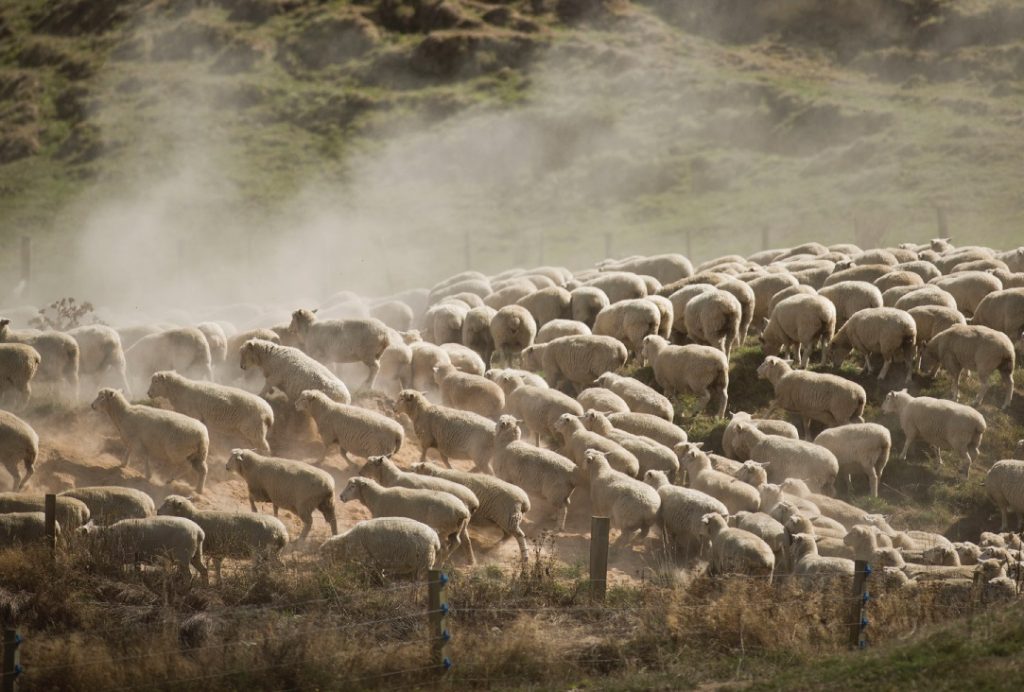
Beef+Lamb NZ – Facial Eczema Three-Year Research Study Facial Eczema (FE) costs the New Zealand economy a staggering $332 million dollars a year and is a challenge farmers are facing across the country. B+LNZ, along with our partners, are working to produce new solutions to tackle this devastating disease, but we need your help. It […]

A potential ‘dermergency’

Michael Hardcastle It has been said that “dogs never die from skin disease, but only itch forever”, however there are a few dermatological conditions that are linked to serious systemic lesions. One of them is a rare syndrome seen exclusively in Miniature Schnauzers, a case of which was recently suspected at Awanui Veterinary, Auckland. Clinical […]

Unstained melody

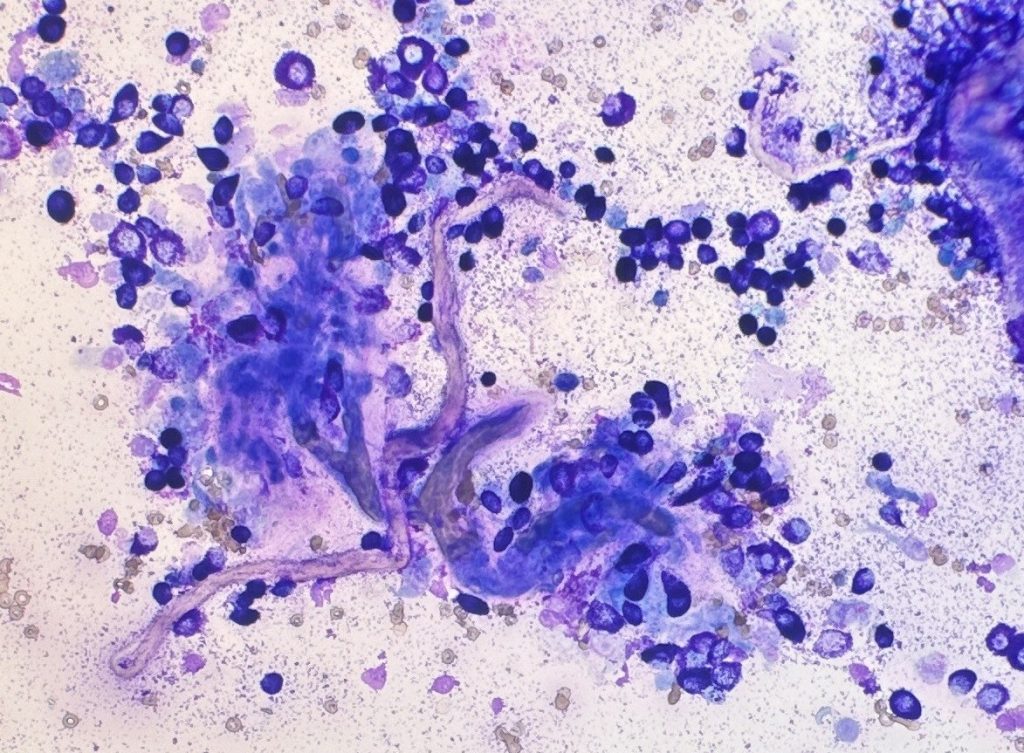
Sandy Weltan Clinical history A 10-year-old male, neutered, Turkish Angora cat presented with a soft but uneven textured lobulated subcutaneous mass on the rump. There was a history of a cat fight. Fine needle aspirates were submitted for evaluation. Laboratory findings: On initial examination on low power (Figure 1) it looked like a mesenchymal tumour, […]

Autumn essentials

Liver and serum sampling in the autumn, or at drying off, provides an opportunity to ensure herd trace element levels are appropriate heading into winter. The testing options below focus on the essential autumn trace elements – copper and selenium – but you can add to these or change them using other trace element tests […]