Our news

Spleendid samples

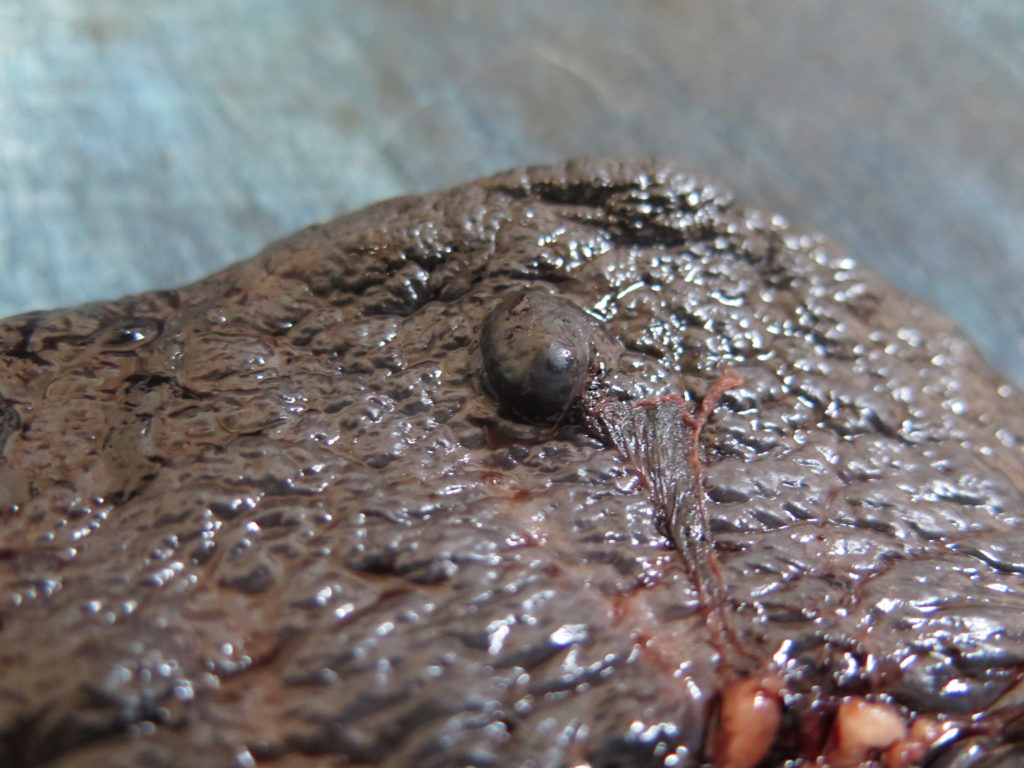
MICHAEL HARDCASTLE Splenectomy for nodular splenic masses or diffuse splenomegaly is common, and we often receive entire spleens, or parts of splenic lesions for histopathology. Some spleens (and splenic masses) are very large, so fixing adequately in formalin prior to submitting to the laboratory for histopathology can be problematic. The entire spleen is our preferred […]

Up your staining game

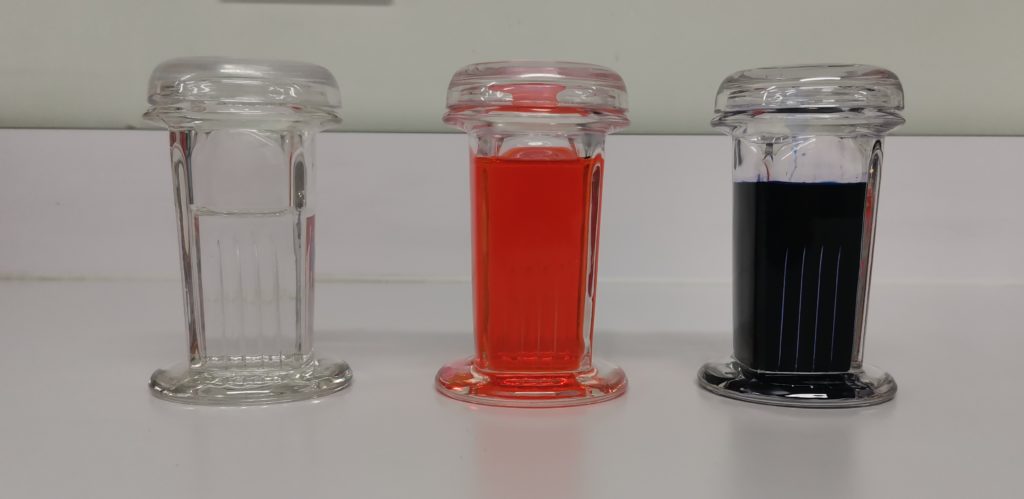
Do you stain blood or cytology smears in-clinic?  Struggle to find an appropriate container to fit the slides and hold the stain? We are very excited to now be stocking Coplin jars for slide staining.  These classic glass jars are designed to hold microscope slides in their vertical grooves for staining, plus they have a […]

Ovine virus causing chaos

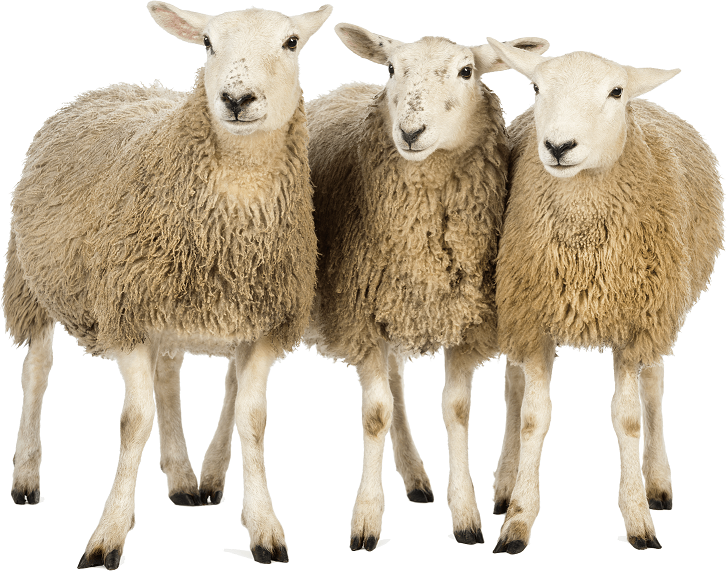
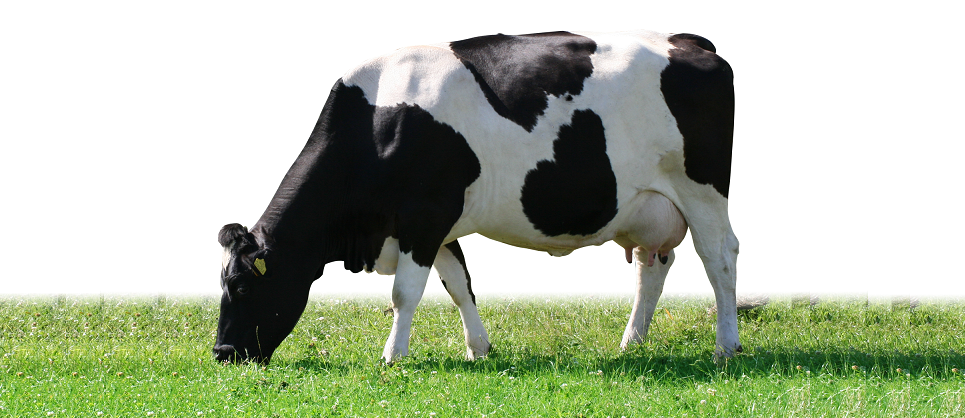
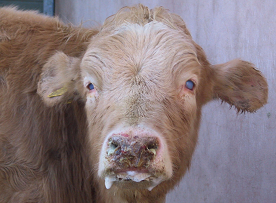
JOHN GILL Malignant catarrhal fever (MCF) is a sporadic disease of cattle and deer, caused by the sheep-associated virus (ovine herpesvirus 2). MCF is  passed to cattle and deer by carrier hoggets and lambs, but affected cattle and deer do not transmit MCF to their cohorts. The incubation period can be several months. The following […]

Notification of exotic, new and emerging animal diseases

LYNSEY EARL & JOHN O’CONNELL (MPI) The recent outbreak of foot-and-mouth disease (FMD) in Indonesia (after being free from the disease for 36 years) is a timely reminder of the need for ongoing vigilance for exotic, new, and emerging diseases. Whilst it’s important for veterinarians to know the signs of FMD, there are numerous other […]

Scalding rain

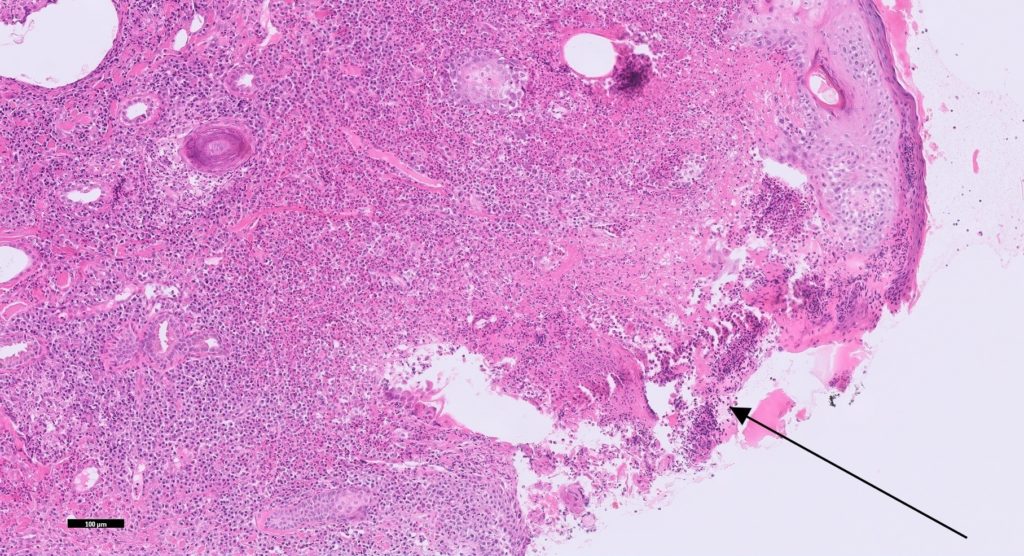
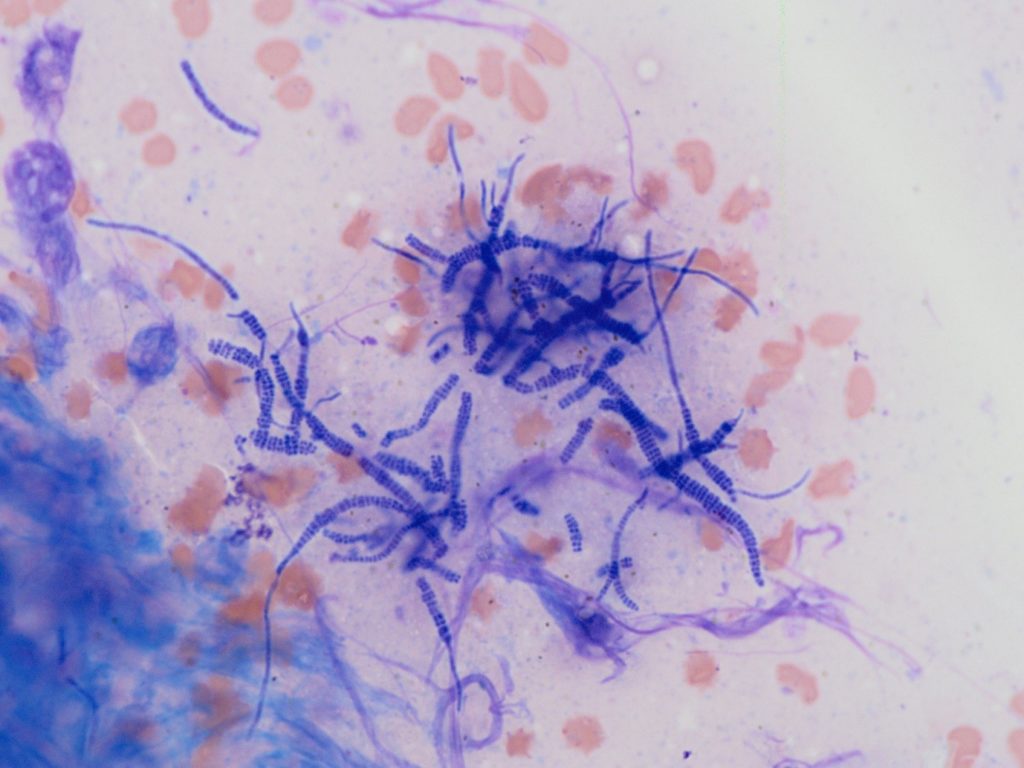
SANDY WELTAN Clinical history: Three smears were received from skin scrapings from cattle with diffuse skin lesions.  The lesions were widely distributed but were particularly severe on the white areas of the skin (Figure 1).  Laboratory findings: On cytology, the cellularity was high in all the smears and consisted of keratinocytes in a background of […]

A slide worth a thousand numbers  

LISA HULME-MOIR This recent case highlights the importance of blood film examinations and illustrates how diagnoses may be missed if relying on in-clinic analyser counts alone. Clinical history: A blood sample from a 9-year-old male Labrador cross was submitted for blood film examination after presenting lethargic, off his food and with a temperature of 40.5°C. […]

Larva palaver

LAWRENCE MCMURTRY We often get asked why we recommend not refrigerating (or even chilling) faeces requiring a culture for third-stage nematode larvae or when looking for stage-one lungworm larvae. Cold storage of faeces can affect the development and composition of parasites in larval cultures and extraction of lungworm. Third-stage larval cultures Ovine nematode species are […]

Land of the giants

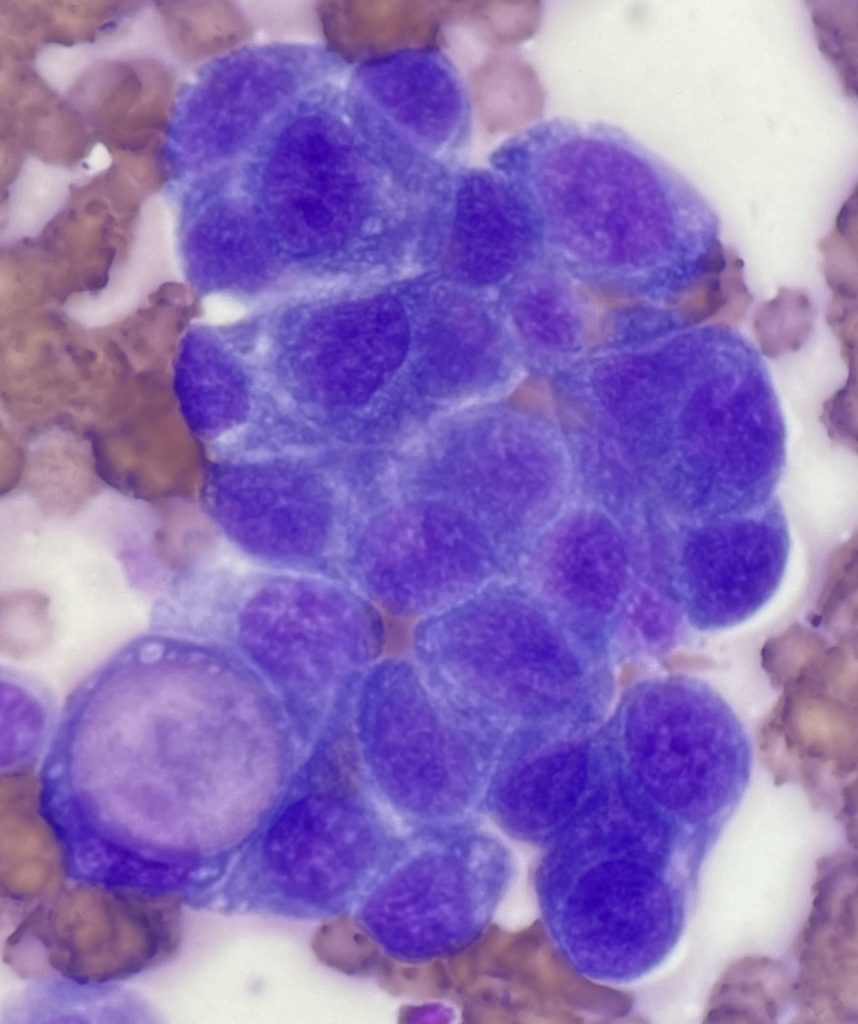
SUNAO FUJITA Clinical history: A 16-year-old, thoroughbred gelding presented with a slow growing mass in the left ventral thoracic/axillar region, extending into deep tissue (Figure 1). The mass was firm and non-mobile and had been present for six months, but had not changed in size. Cytology: The smears were of high cellularity, predominantly composed of […]

Move over coronavirus!  

KAREN BAILEY Move over Corona – monkeypox is the hot new zoonosis in town! New Zealand recently recorded its first human cases of monkeypox in the latest zoonotic outbreak to hit the headlines. Following are a few facts about monkeypox and how it manifests in animals and humans. Monkeypox belongs to the Orthopoxvirus genus in […]

Free-T4 testing – worth the wait!  

Equilibrium dialysis (ED) is considered the gold standard methodology when measuring Free-T4 in dogs and cats. Recent reports indicate that alternative methods for measuring Free-T4  may not offer any significant advantage over measuring TT4 alone, especially in dogs with non-thyroidal illness.* Despite recent logistical issues and increased costs, Gribbles Veterinary will continue to offer this […]